When you pick up a carton of milk at Woolworths in Woden or grab coffee at a café in Civic, you're witnessing the invisible threads of global trade in action. Australia's position as the world's third-wealthiest nation by median wealth comes with responsibilities-and vulnerabilities-that ripple directly into your household budget and job prospects.
The government's recent $160 million support for domestic fertiliser production reveals a critical truth: trade isn't abstract policy made in Canberra's Parliament House. It's about whether farmers can afford inputs, whether fresh produce stays affordable at your local Fyshwick Markets, and whether manufacturing jobs remain viable in our suburbs.
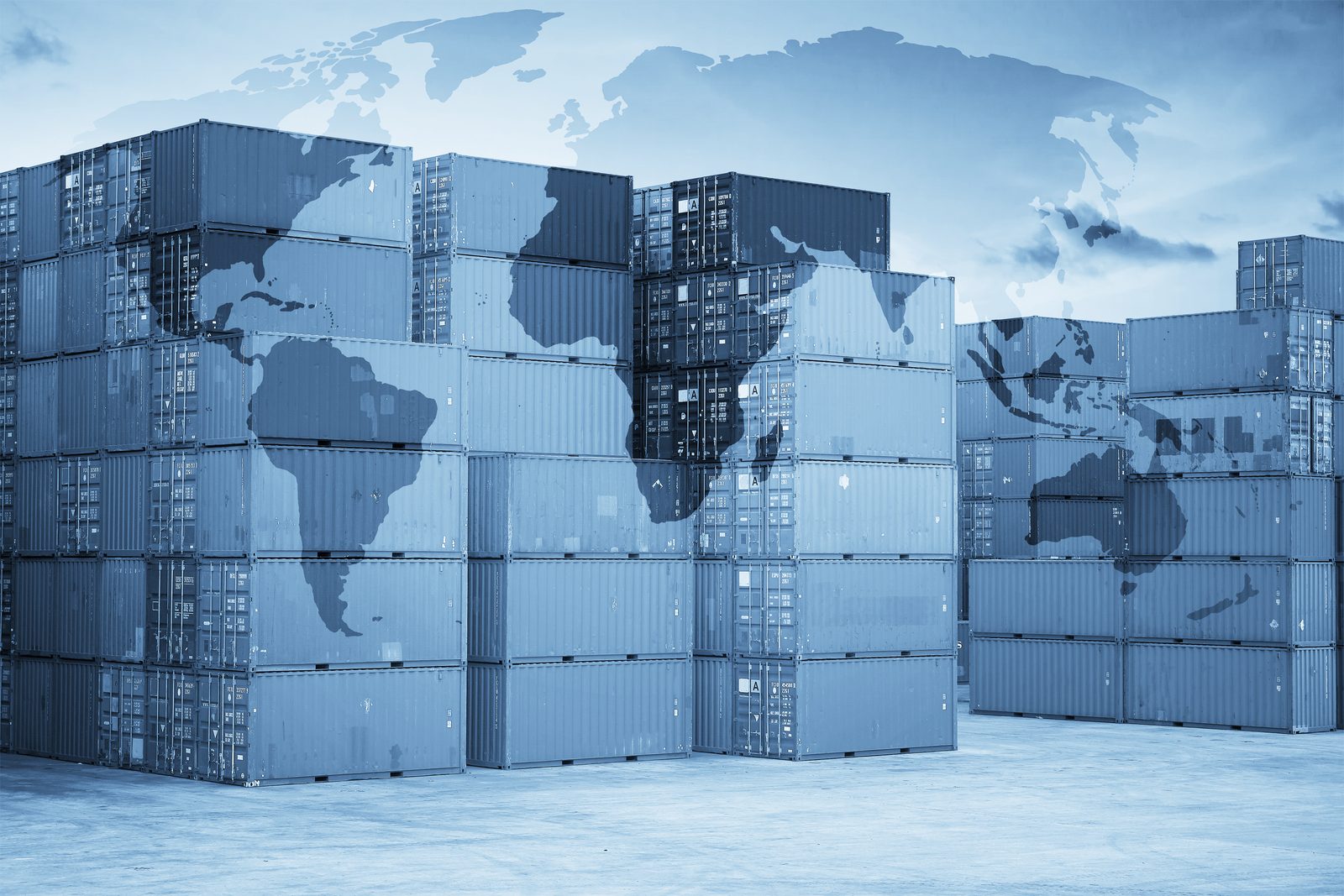
For everyday residents, three trade dynamics warrant attention. First, supply chain concentration. Australia relies heavily on imports for everything from electronics to pharmaceuticals. When geopolitical tensions or natural disasters disrupt shipping lanes, prices spike before alternatives materialise. That's why your grocer's shelf sometimes empties mysteriously.
Second, currency fluctuations directly hit your hip pocket. When the Australian dollar weakens against the US dollar, imported goods-from car parts to clothing at Canberra Centre-become more expensive. Conversely, our export-dependent sectors benefit, supporting jobs across the region.
Third, trade agreements determine which products arrive duty-free and which carry tariffs. Free trade arrangements with major partners like Japan and South Korea mean cheaper electronics and vehicles. Protectionist measures elsewhere can inflate costs or limit choice.
What's changing? Australia is actively reshaping partnerships. The emphasis on critical minerals, agricultural exports, and technology partnerships reflects economic reality: we're moving beyond commodity dependence. For Canberra residents employed in professional services, technology, and defence contracting, this creates opportunity. Companies relocating to our city increasingly serve export markets.
But there's a warning signal: the NDIS fraud inquiry and supply chain vulnerabilities suggest our systems need strengthening before scaling. International investors watch how Australia manages public integrity-it affects whether multinational businesses expand here.
The practical takeaway? Global trade determines whether your electricity bill spikes (energy prices partly reflect global coal and gas markets), whether your home renovation materials stay affordable, and whether local employers thrive or relocate.
Australia's median wealth advantage is real, but it's not guaranteed. Staying informed about trade developments-not as abstract economics, but as forces shaping local employment, prices, and opportunity-isn't optional anymore for engaged Canberra residents. Your economic security depends on it.
This article is general information only and is not personal financial or investment advice. Consider your own circumstances and seek licensed professional advice before making financial decisions.
Sources:
Source material used in preparing this article is listed below so readers can check the original record.