Lifestyle
Canberra's Deliberate Design Blends Politics With Vast Natural Reserves Uniquely
The city's deliberate design blends politics with extensive natural reserves in ways few capitals replicate.
2 min read
Updated 8 h ago
Lifestyle
The city's deliberate design blends politics with extensive natural reserves in ways few capitals replicate.
2 min read
Updated 8 h ago
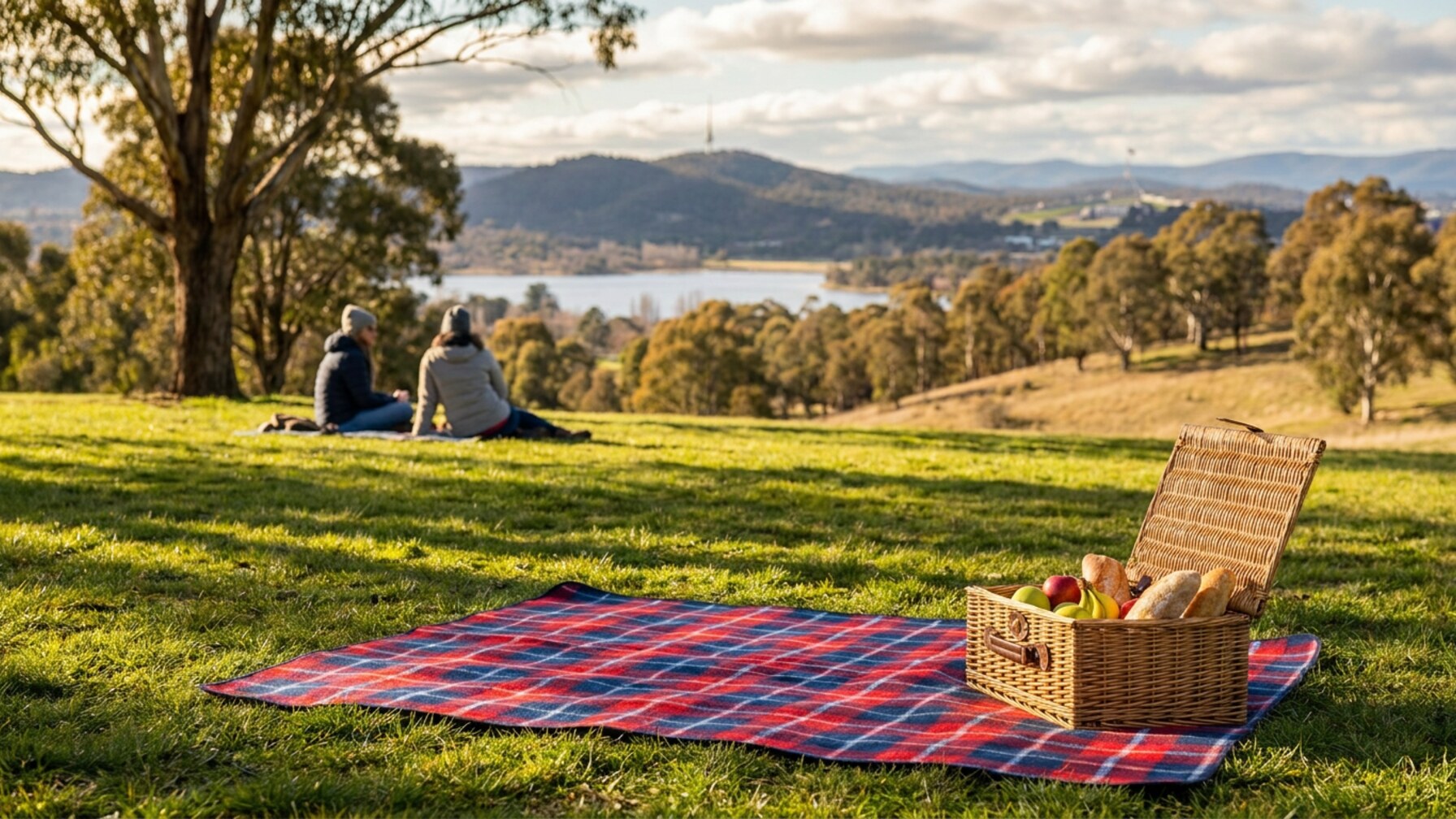
Canberra maintains over 40 percent of its land as public open space and nature reserves, a figure that sets the city apart from capitals such as Tokyo or Paris where built density crowds out greenery.
The timing stands out in mid-2026 as domestic tourism rebounds after the winter slowdown, with local operators reporting increased interest from visitors seeking outdoor access near government precincts rather than dense urban cores.
Residents and day-trippers alike use the network of paths around Lake Burley Griffin and the trails on Mount Ainslie for daily exercise, while the Braddon precinct along Lonsdale Street hosts independent cafes that draw on produce from nearby farms in the Australian Capital Territory.
Unlike cities that grew around ports or rivers, Canberra follows the 1912 Walter Burley Griffin plan with its concentric circles and wide avenues that keep traffic dispersed and allow quick exits to bushland on the city's edges.
Australian Bureau of Statistics data from the 2021 census, updated through 2025 estimates, shows Canberra households spend an average of 18 minutes commuting, lower than the national average of 27 minutes, partly because workplaces cluster around the Parliamentary Triangle and Civic centre.
Anyone new to the city can start with a loop walk from the National Library on Parkes Place to the War Memorial on Anzac Parade, then continue into the adjacent reserves for views that combine built landmarks with native woodland in a single outing.
Winter 2026 programs at the Canberra Museum and Gallery on Civic Square offer indoor extensions of those outdoor routes, with entry fees remaining at $10 for adults through September.
Lifestyle
Lifestyle
Lifestyle
Lifestyle
Lifestyle
Lifestyle
About this articleBeta
Published by The Daily Canberra
Spread the word
Daily brief
Free, in your inbox before 7am. Weekdays.
The Daily Network — local news across Australia