The World
Bacteria Outpace Drug Development as Antibiotic Resistance Threatens Surgery
Bacteria are evolving faster than the pipeline of new drugs can keep pace, and the consequences for routine surgery and infection treatment are already visible.
The World
Bacteria are evolving faster than the pipeline of new drugs can keep pace, and the consequences for routine surgery and infection treatment are already visible.
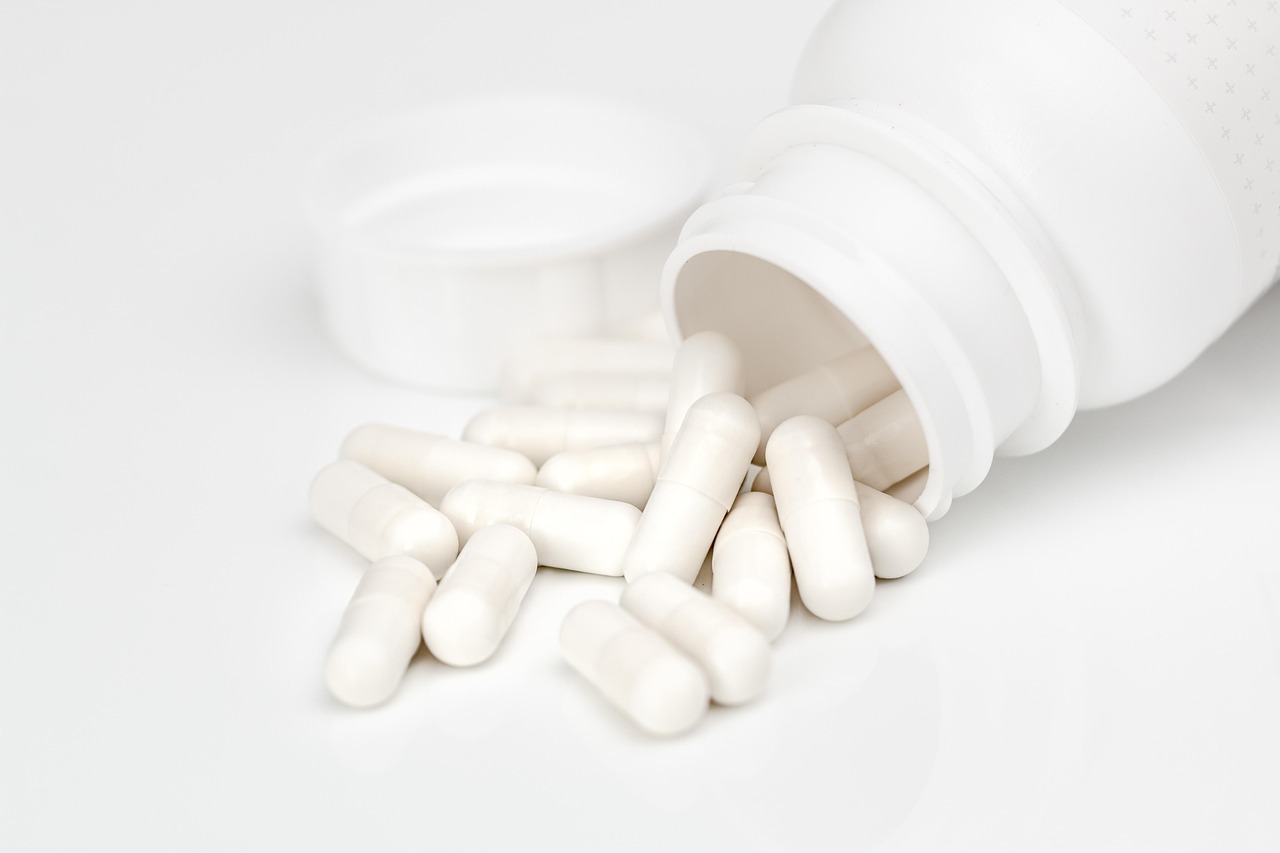
Before antibiotics, a minor wound infection could be fatal. Pneumonia killed a significant portion of those it struck. Childbirth carried a real risk of sepsis. The discovery of penicillin and the subsequent development of antibiotic drugs transformed medicine so completely that later generations took their effectiveness for granted. That assumption is now being tested. Bacteria evolve resistance to antibiotics through natural selection, and decades of overuse in human medicine and agriculture have accelerated the process. Infections that were easily treated a generation ago are becoming difficult, and sometimes impossible, to clear.
When a population of bacteria is exposed to an antibiotic, most die. But if any carry a genetic mutation that reduces the drug's effectiveness, those survive and reproduce. Their descendants inherit that resistance. Resistance genes can also transfer between different species of bacteria, sometimes across large distances, through a process called horizontal gene transfer. This means a resistance trait that emerges in one location can spread globally through travel, trade in food, and movement of animals.
The problem is compounded by the way antibiotics have been used. Finishing a full course of antibiotics is important because partial courses can leave partially resistant bacteria alive to multiply. Antibiotics prescribed for viral infections, against which they have no effect, impose selection pressure without any therapeutic benefit. In many countries, antibiotics are available without a prescription, which makes appropriate use harder to enforce.
A substantial share of global antibiotic use occurs not in human medicine but in livestock farming, where drugs are used both to treat disease and, historically, as growth promoters. Animals kept in dense conditions are susceptible to bacterial infections, and prophylactic antibiotic use became standard practice in industrial livestock systems. Resistant bacteria from farm animals can transfer to humans through the food chain, through contact, or through environmental pathways such as contaminated water. Many countries have now restricted agricultural antibiotic use, but enforcement and compliance vary widely.
Developing a new antibiotic is expensive and commercially unattractive. A new antibiotic that works against resistant bacteria would ideally be reserved as a last resort, used sparingly to slow the development of resistance to it in turn. But a drug used sparingly generates little revenue, which creates a poor return on the billion-dollar investment required for development and regulatory approval. Most large pharmaceutical companies have scaled back antibiotic research. The gap between the resistance problem and the drug development response is a market failure that governments and international bodies are attempting to address through pull incentives and public funding, but progress is slow.
Australia has relatively strong antibiotic stewardship frameworks compared with many countries, but the nation is not insulated from global resistance trends. Any Australian who acquires a drug-resistant infection while travelling, or receives treatment with a resistant pathogen acquired domestically, faces the same narrowing treatment options. The implications extend to surgery, cancer chemotherapy, and organ transplants, all of which depend on reliable antibiotics to manage infection risk during treatment. Australia's proximity to Southeast Asia, a region with high rates of antibiotic consumption and significant resistance burden, is a relevant epidemiological factor.
Antibiotic resistance is not a future risk; it is a present one that is worsening incrementally. The absence of new drug classes and the continued misuse of existing ones mean the margin of safety in routine medicine is narrowing, with consequences that will be felt across all areas of healthcare.
Spread the word
About this articleBeta
Published by The Daily Canberra
More from The World
The Daily Network — local news across Australia