The World
How global birth rates fell faster than anyone predicted, and what it means for your economy
Fertility collapse is reshaping labour markets, pension systems, and geopolitics across continents. Here's why demographers got it wrong.
The World
Fertility collapse is reshaping labour markets, pension systems, and geopolitics across continents. Here's why demographers got it wrong.
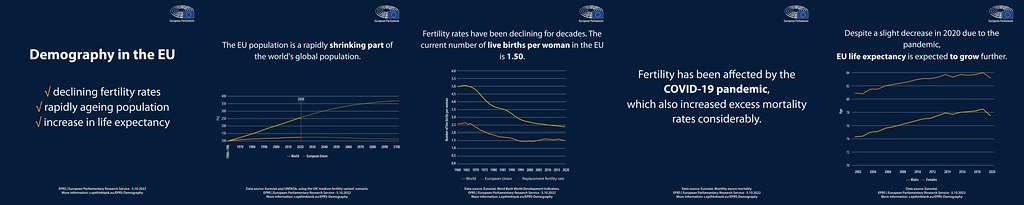
For decades, global population growth seemed unstoppable. But fertility rates have plummeted so rapidly across so many nations that demographers now expect world population to peak within this century and then shrink. This shift is not a future problem; it is reshaping economies, pension systems, labour markets, and geopolitical competition right now, from East Asia to Europe to parts of the Middle East.
Fewer births today means fewer working-age adults tomorrow. And that arithmetic is creating urgent choices for governments worldwide: how to fund pensions and healthcare, where to find workers, whether to welcome immigration, and how to stay economically competitive when your population ages faster than your rivals.
The shift happened in three waves across different regions, but the drivers were similar everywhere: access to contraception, female education and paid work, cost of raising children in wealthy cities, and delayed marriage. In South Korea and Japan, fertility rates fell below 1.1 children per woman. In Spain, Italy, and Greece, they sit near 1.3. Even in Mexico and Brazil, where birth rates were high in the 1980s, they have collapsed to near replacement level.
The speed shocked demographers who built models assuming slower change. China's one-child policy accelerated decline there, but the same drop happened in countries with no such policy. Iran went from 7 children per woman in 1980 to 1.6 today, a steeper fall than anywhere else. Economic development, rising female participation in work and education, and access to family planning moved faster than old forecasts allowed.
The global average is now 2.3 children per woman, below the 2.1 needed to maintain population without migration. In the developed world, it is 1.5.
Fewer young workers means employers compete harder for talent. Wages for low-skill work have risen in Japan, Germany, and parts of Scandinavia partly because there are fewer young people to fill those roles. Retirement ages are rising across Europe and Asia. Some countries are making immigration easier; others are investing in automation to replace workers they cannot find.
Migration is becoming a geopolitical flashpoint. Younger nations in Africa and parts of Asia still have high birth rates and growing working-age populations. Older nations in Europe, East Asia, and the Americas need workers but face domestic political pressure on immigration. This inequality in age structure is already reshaping global labour patterns and influencing trade negotiation power.
Automation investment is accelerating. Companies in Japan, Germany, and South Korea are spending heavily on robotics, artificial intelligence, and labour-saving technology earlier than they otherwise would, because workers are scarce and aging workforces cannot fill gaps.
Most developed nations built pension and healthcare systems assuming each generation would be larger than the last. That assumption is now broken. Fewer working-age adults must fund pensions and healthcare for more retirees. Italy, Japan, Germany, and Spain already spend more than 10 per cent of GDP on public pensions; those costs will rise as the ratio of workers to retirees declines.
Some countries are raising the retirement age, cutting benefits, raising tax rates, or moving to private pension models. Others are encouraging immigration or increasing family support payments to boost birth rates, with limited success so far. Australia, Canada, and parts of Europe are using skilled migration to fill labour gaps, a strategy younger nations cannot easily match.
Healthcare systems face a parallel squeeze. Ageing populations consume more healthcare, but fewer workers support the tax base to fund it. Long-term care is becoming expensive and hard to staff across wealthy nations.
Nations with younger populations will have structural economic advantages for decades. Parts of Africa and South Asia will have large working-age populations through mid-century. Older nations like Japan, South Korea, Italy, and Germany face structural headwinds: slower growth, higher dependency ratios, and smaller markets unless they welcome immigration or automate rapidly.
China faces a particular squeeze. Its working-age population peaked around 2015 and is shrinking. By 2050, nearly 30 per cent of its population will be over 65. That changes its economic potential and military capacity relative to younger rivals. India will become the world's most populous nation, giving it a demographic advantage in labour supply and consumer markets.
Global bargaining power will shift subtly. Nations competing for skilled migrants will gain leverage. Countries with energy or natural resources but ageing populations may find it harder to mobilise capital for development. Global trade patterns may shift as demand structures change: fewer young families means less demand for housing and consumer goods in wealthy nations, but more demand in younger nations.
Fertility collapse is not a rich-world curiosity. It is reshaping labour migration patterns, shifting geopolitical weight from older to younger regions, and forcing urgent policy choices in every wealthy nation simultaneously. Pension reforms in one country influence debates in neighbours. Immigration policy in Europe affects labour competition globally. Investment in automation in Japan spreads to other ageing nations and reduces demand for migrant workers elsewhere.
This is one of the largest demographic shifts in human history, and it is accelerating. Unlike climate change or trade shocks, which can feel distant, fertility decline shapes the immediate economics of work, saving, retirement, and public spending in every country where it is happening.
The world is ageing faster than it expected. Fewer births mean fewer workers, higher wages in some sectors, spending pressure on pensions and healthcare, and new urgency around immigration, automation, and retirement reform. The nations that navigate this transition smoothly, whether through policy, migration, or technology, will maintain economic advantage. Those that do not will face slower growth, fiscal stress, and shifting global influence. This is not a crisis waiting to happen; it is reshaping economies and politics now.
This article was compiled by AI and screened before publishing. See our editorial standards.
Spread the word
More from The World
The Daily Network — local news across Australia