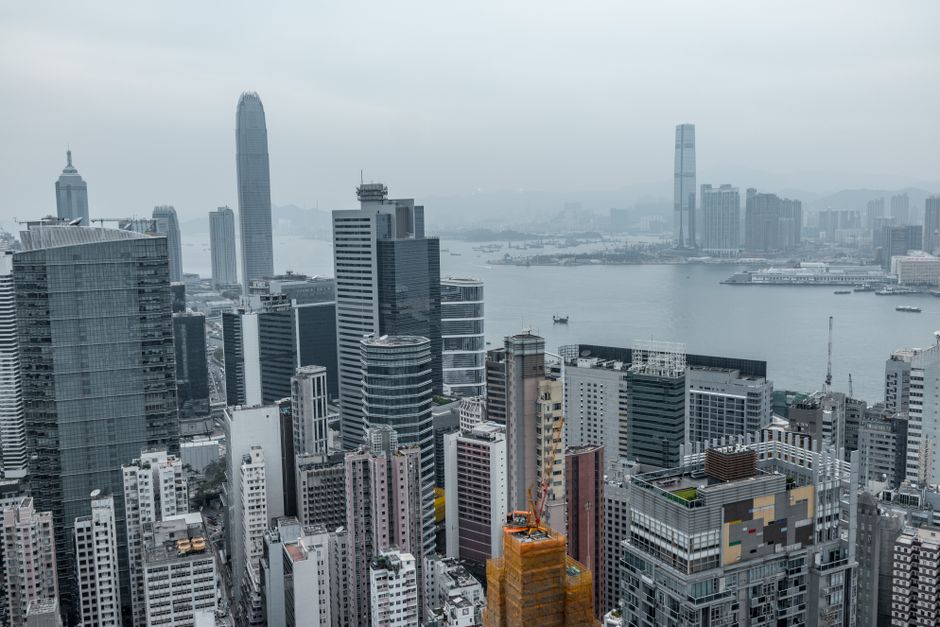
Cement binds the world together. It is the base of virtually every modern road, bridge, hospital, school, and apartment block. More than 4 billion tonnes of cement are produced globally each year, making it the second-most-consumed substance on Earth after water. Yet cement remains largely invisible in public conversation, even as its production accounts for roughly 8 per cent of global carbon dioxide emissions, and its supply chains reshape geopolitics, trade balances, and construction costs from New York to Mumbai to Lagos.
Why cement matters more than you think
Cement is not the same as concrete. Cement is a powder; concrete is cement mixed with water, sand, and gravel. The cement itself is made by heating limestone and clay to around 1,450 degrees Celsius in massive rotary kilns, then grinding the resulting clinker into fine powder. This thermally intensive process is why cement production is so carbon-hungry: producing one tonne of cement generates roughly one tonne of CO2, partly from burning fossil fuels to heat the kiln and partly from the chemical transformation of limestone itself, which releases carbon dioxide as a byproduct.
Because cement is heavy and relatively low-value compared to its transport cost, it is mostly produced and consumed locally or regionally. The global cement market fragments into distinct regional economies: China alone produces more cement than the entire rest of the world combined, driven by decades of urbanisation and infrastructure spending. Europe, India, the Middle East, North America, and Southeast Asia each have their own major cement industries, though many are consolidated into multinational firms that operate across multiple continents and control prices, supply, and decarbonisation strategy on a global scale.
The supply chain and its chokepoints
Cement production depends on two abundant raw materials: limestone and clay. Limestone quarries are found on every continent, which is why cement can be made almost anywhere. However, the technology to build and operate modern cement kilns, and the capital to invest in them, is concentrated in a relatively small number of countries. Major multinational cement producers, including European and Asian firms, operate integrated supply chains across multiple regions, moving technical expertise, equipment, and financing to wherever demand is growing fastest.
Transportation is the critical constraint. Shipping cement by sea is economical for long distances, but moving it overland by truck rapidly erodes profitability. This is why demand surges in one region, driven by construction booms or infrastructure investment, often result in supply shocks and price spikes in another region that depends on imports. Conversely, oversupply in one market can trigger aggressive export pricing that destabilises competitors elsewhere. Nations competing for market share in fast-growing regions, such as Southeast Asia or East Africa, engage in price competition that can suppress margins globally and accelerate industry consolidation.
Decarbonisation and the global race for alternatives
Because cement production is so carbon-intensive, it has become a focal point for climate policy. The European Union includes cement in its emissions trading scheme, which adds a carbon cost to production and incentivises shift towards lower-carbon methods. Other nations are investing in alternative cements, recycled materials, and carbon capture technologies. However, these alternatives are more expensive than conventional cement, and adoption is slow in price-sensitive markets in the developing world where construction demand is fastest.
This creates a global tension. Low-income countries building housing, schools, and roads urgently need affordable cement, but switching to low-carbon cement raises costs precisely in regions with the tightest budgets. Wealthier nations can mandate higher sustainability standards for public projects, but this divergence fragments the global market and can disadvantage producers in countries with stricter climate rules, driving investment and production to regions with weaker regulations.
Why this matters globally
Cement is a hidden driver of global inflation, geopolitical tensions, and climate outcomes. When emerging markets experience rapid urbanisation, demand for cement soars, supply chains strain, and prices climb not just for construction but for all goods moved on concrete-dependent infrastructure. Trade disputes over cement market access have festered for decades; tariffs and trade barriers in the sector are common, shaping which nations can compete and which are locked out of growing markets. The future of cement is also the future of climate action: whether the world can decarbonise cement production at scale will determine whether the construction sector, which accounts for roughly 10 per cent of global emissions, can align with net-zero targets.
The bottom line
Cement is a commodity that touches every person on Earth, yet most of us never think about it. Its global supply chains are fragmented by geography and economics, its production is carbon-intensive, and its decarbonisation is technically possible but economically contested. Understanding cement is understanding why climate action, global trade, and the pace of human development remain so tightly entangled, and why solving one cannot be separated from solving the others.
This article was compiled by AI and screened before publishing. See our editorial standards.