The World
Ocean Currents Australia: Climate and Seafood Impact
How ocean currents shape Australia's weather, fish stocks, and monsoons. Learn why these underwater rivers matter for your climate and food supply.
The World
How ocean currents shape Australia's weather, fish stocks, and monsoons. Learn why these underwater rivers matter for your climate and food supply.
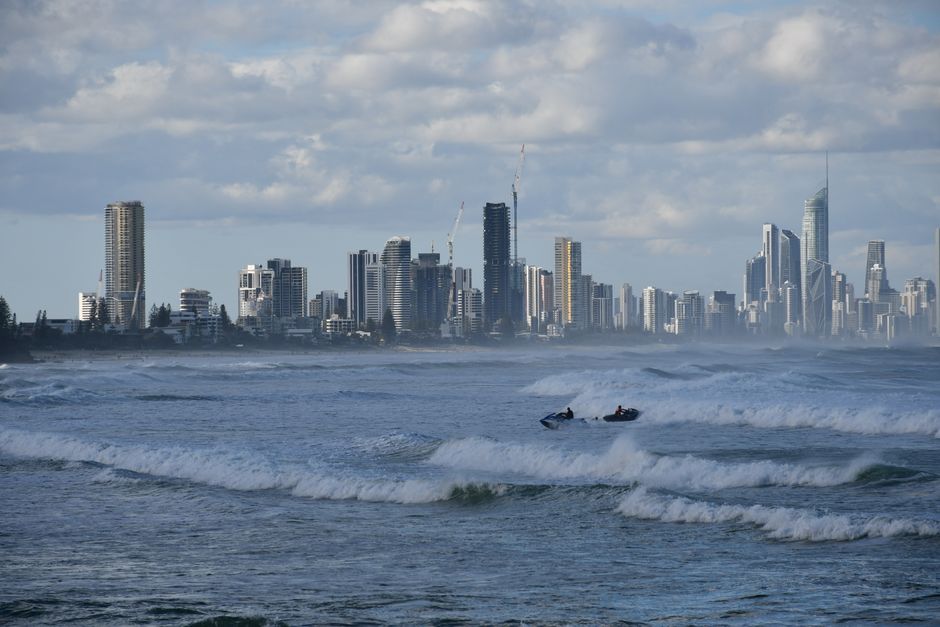
Beneath the surface of every ocean lies an invisible network of currents that moves more water than all the world's rivers combined. These underwater rivers carry warm water from the equator to the poles and cold water back again, regulating Earth's climate and shaping everything from Australian fish stocks to the monsoons that drench the continent. As the world warms, these currents are changing in ways scientists are only beginning to understand.
Ocean currents are driven by three main forces: wind pushing on the ocean surface, differences in water temperature and salinity, and the Earth's rotation. Warm water from the tropics is less dense than cold water from the poles, so it naturally rises and spreads outward. Cold, heavy water sinks and flows along the ocean floor in the opposite direction. Together, these create a global circulation system that oceanographers call the thermohaline circulation, or the ocean conveyor belt.
The system works like a vast heating and cooling machine. The Gulf Stream and North Atlantic Current carry warm tropical water northward toward Europe, keeping places like Ireland and Scotland far warmer than their latitude alone would suggest. In the Southern Hemisphere, currents loop around Antarctica and branch northward toward Australia, carrying cold water that has absorbed carbon dioxide and nutrients from the deep.
Australia sits at the convergence of several major current systems, each with profound effects on the nation's climate and food supply. The East Australian Current brings warm tropical water down the east coast, pushing the boundary of subtropical climate further south each decade. The Leeuwin Current carries warm water southward along Western Australia, supporting unique ecosystems and influencing rainfall patterns from Perth to Tasmania.
Cold currents off Western Australia and South Australia upwell nutrient-rich deep water, creating some of the world's most productive fishing grounds. These currents bring tiny organisms that feed larger fish and support a seafood industry worth billions. The same currents influence rainfall: warmer oceans to the north increase evaporation, feeding the monsoons that bring wet seasons to northern Australia.
As the world warms, ocean currents are shifting in speed and position. The East Australian Current is flowing stronger and penetrating further south, pushing subtropical species into temperate waters and altering where fish populations thrive. Changes to upwelling zones affect nutrient availability, which cascades through entire food webs. Scientists observe that some currents are slowing overall, particularly in the Atlantic, where melting ice sheets are adding fresh water that disrupts the density differences that drive circulation.
These shifts are not merely academic. They reshape where fisheries can operate, which regions experience drought or flood, and how quickly heat and carbon dioxide circulate through the global ocean system.
Australia's economy and food security rest partly on stable ocean currents. Changes to the East Australian Current directly affect rock lobster, abalone, and fish populations that support thousands of jobs. Farmers across the continent depend on rainfall patterns shaped by ocean temperatures and currents; a warmer ocean off the coast changes where rain falls and when. Rising sea levels and changing current patterns also affect coastal cities and the timing of cyclone season. Understanding these currents helps Australians anticipate shifts in fisheries, farming viability, and climate impacts decades before they fully arrive.
Ocean currents are the planet's circulatory system, moving heat and nutrients across vast distances and stabilising Earth's climate in ways we are only beginning to fully map. For Australia, they are not distant abstractions but the mechanics behind the fish on plates, the rain in dams, and the weather patterns that define the continent. As those currents shift, Australia will shift with them.
This article was compiled by AI and screened before publishing. See our editorial standards.
Spread the word
More from The World
The Daily Network — local news across Australia