The World
Airlines Use Four Hidden Factors to Set Your Flight Prices
Fuel hedging, carbon costs, yield management, and geopolitical risk all feed into the price you pay for a flight to London or Bali.
The World
Fuel hedging, carbon costs, yield management, and geopolitical risk all feed into the price you pay for a flight to London or Bali.
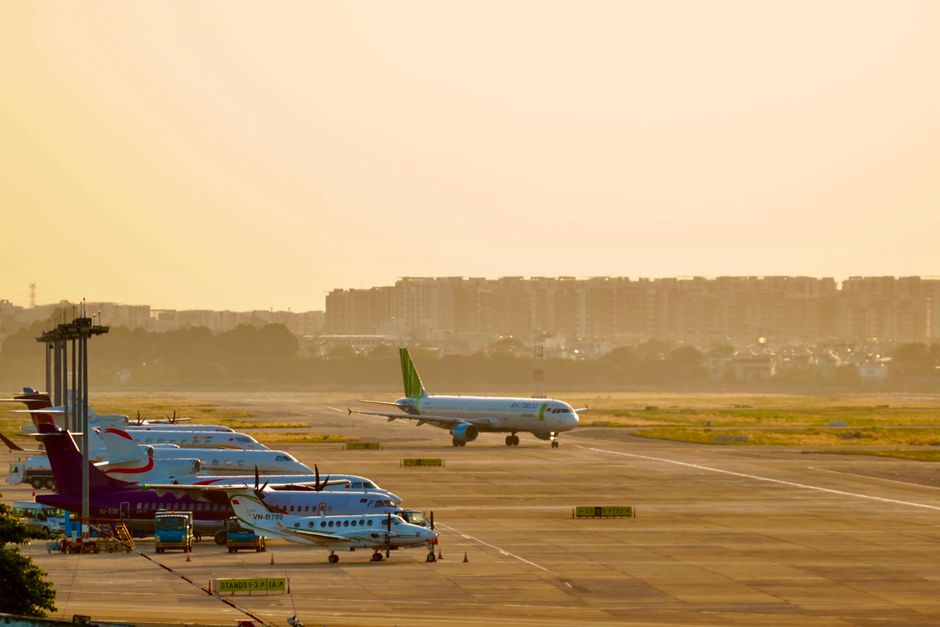
When you book a flight, the price that appears on screen reflects a calculation so complex that even seasoned travel agents struggle to explain it. Airlines are pricing not just the seat on a plane, but fuel costs months ahead, carbon permits they must buy, labour agreements struck in distant cities, currency movements, and their own guesses about how many seats they will actually fill. For Australia, a nation where most international travel requires long-haul flights and most domestic routes are thin, understanding aviation pricing means understanding a hidden cost of living that affects not only holidays but also business, education, and family connections across the continent.
Jet fuel represents between 20 and 35 per cent of an airline's operating costs. Unlike car drivers who pay fuel prices at the pump, airlines buy fuel months or years in advance through contracts called hedges, betting on where prices will go. When crude oil spikes, airlines that have not hedged lose money quickly. When oil falls, they profit. This is why a geopolitical crisis in the Middle East or supply disruptions thousands of kilometres away can shift the price of your ticket within days, even though no physical fuel has changed hands. The International Air Transport Association tracks fuel surcharges as a separate line item, and they remain the most volatile component of ticket pricing.
Airlines do not sell seats; they sell capacity. An airline flying half-full costs nearly as much to operate as one flying full, so carriers use software that adjusts prices hour by hour to nudge demand toward the level that maximizes total revenue, not the number of tickets sold. This is why the person in the seat next to you may have paid twice as much, and why booking early does not always guarantee a cheap fare. Premium cabin pricing also subsidises economy seats on long routes. Australian airlines, competing on thin domestic margins and on international routes against foreign carriers with different cost bases, adjust yields constantly. For passengers, this means prices can swing wildly even when nothing visible has changed.
From 2024, airlines globally are expected to manage emissions under the International Civil Aviation Organization's carbon offsetting scheme. This does not yet impose direct costs on tickets in the way a carbon tax would, but it does increase airline operating costs, which margins eventually pass to passengers. Australia has not yet linked aviation to its own emissions trading scheme, but international routes already price in the expectation that regulatory costs will rise. Sustainable aviation fuel, which costs two to three times more than conventional jet fuel, is beginning to appear in fuel blends, adding another cost layer that airlines will eventually reflect in fares.
Most international aviation fuel and many aircraft leases are priced in US dollars. A weaker Australian dollar means airlines pay more for fuel and aircraft servicing, costs they eventually recover through ticket prices. When the Aussie dollar falls against the greenback, return flights from Sydney to North America and Europe become more expensive within weeks. Domestic airlines also face wage pressures particular to Australia's industrial relations framework, higher maintenance costs due to aircraft age and dispersed bases, and thin competition on regional routes, all of which Australian carriers price into fares.
Australia's geography is both a vulnerability and a constraint. Long-haul flights to Europe or North America require fuel stops, older aircraft, and higher crew costs than equivalent flights from Asia. Domestic aviation across a vast country with thin regional routes means carriers cannot achieve the high-frequency, high-density economics of European or American networks. This structural disadvantage means Australian fares remain persistently higher than comparable routes elsewhere. As international travel becomes a bigger share of household spending and education involves more global movement, understanding that Australian ticket prices reflect more than just demand and supply helps citizens grasp why comparable journeys cost more from Melbourne than from Singapore.
Aviation pricing is not opaque by accident; it is complex because the industry operates on thin margins, faces genuine cost volatility, and must manage demand across seats that cannot be stored or resold. Fuel hedging, capacity management, carbon costs, and currency movements all ripple through to the price you see. For Australians, geography amplifies every one of these pressures, making this an economy-wide issue that touches tourism, business, education, and family life in ways that extend far beyond the airport.
This article was compiled by AI and screened before publishing. See our editorial standards.
Spread the word
More from The World
The Daily Network — local news across Australia