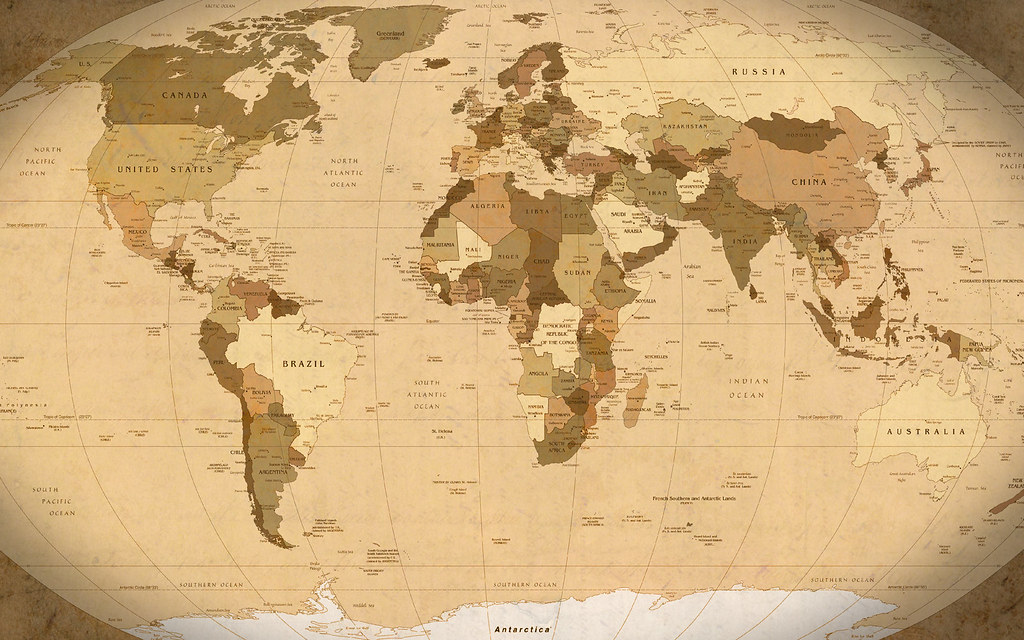
Australia feeds itself and exports grain, meat and dairy to the world. Yet the soil that grows Australian crops depends almost entirely on phosphate rock mined thousands of kilometres away. Morocco controls roughly 75 per cent of global phosphate reserves, and when supply tightens or prices spike, Australian farmers pay the cost and consumers feel it at the checkout. Understanding how the phosphate market works explains why agricultural nations are far more vulnerable to distant geology than they appear.
Why phosphate matters more than most Australians realise
Phosphate is one of three essential nutrients for plant growth, alongside nitrogen and potassium. Unlike nitrogen, which can be synthesised from the air, phosphate comes from mined rock. Once extracted and processed into fertiliser, it replenishes soil that has been depleted by cropping. Australian farms lose phosphate with every harvest, and there is no practical way to recycle it at scale. Australia does mine some phosphate, but domestic production covers only a fraction of demand. The gap is filled by imports.
Global phosphate supply is concentrated in a small number of countries. Morocco's phosphate reserves dwarf all others combined. Other significant producers include China, which exports little because it consumes most of what it mines for its own agriculture, and smaller suppliers in Russia, Tunisia and the Middle East. This geographic concentration means disruption in one region can send shocks across continents.
How prices are set and who bears the risk
Phosphate fertiliser is traded on global commodity markets, priced in US dollars. When Morocco's mining operations face disruption, when shipping costs rise, or when demand surges from other major agricultural exporters, prices climb. Australian farmers then choose between paying more to maintain soil fertility or reducing application rates and risking lower yields.
Price spikes hit hardest when they coincide with drought or poor seasons, when farmers are already under pressure. A farmer with depleted soils and rising input costs may cut back on other investments, reducing competitiveness. Export markets reward consistent, high-quality produce, and irregular fertiliser use can degrade grain quality and reduce long-term soil health. The cost is borne by individual farmers first, then passed into grain prices, milk prices and meat prices that reach Australian tables and export customers.
The geopolitical layer
Morocco is Africa's second-largest economy, and phosphate is a pillar of its export revenue. The country has used phosphate diplomacy strategically, and global tensions occasionally ripple through supply. Climate shocks in phosphate-producing regions can also disrupt mining and processing. When Morocco experienced drought in recent years, phosphate exports tightened. Shipping disruptions in the Suez Canal or Red Sea can delay Australian fertiliser shipments by weeks, forcing farmers to time orders months in advance or accept spot-market premiums.
China's role adds another layer. As the world's largest producer and consumer, China's domestic agricultural policy and export controls influence global availability. Competition between major food exporters like Australia, Brazil and Argentina for phosphate supplies can push prices higher when demand peaks.
What it means for Australia
Australian agriculture is globally competitive because of soil quality and scale, but that advantage erodes if fertiliser becomes chronically expensive or unreliable. Australian farmers cannot easily switch to domestic phosphate because domestic reserves are small and mining new reserves is capital intensive and environmentally regulated. The cost of importing phosphate is embedded in Australian food exports, making them less price-competitive when global markets are tight.
National food security depends partly on affordable soil inputs. High fertiliser costs suppress domestic production, which could leave Australia more reliant on imports for staple foods during global supply shocks. Export-dependent regions like inland New South Wales and Victoria are particularly exposed. Supermarket prices for bread, milk and meat are sensitive to global fertiliser trends, even if the connection is invisible to shoppers.
The bottom line
Australia's food system rests on phosphate rock mined 12,000 kilometres away in Morocco. The global phosphate market is tight, concentrated and subject to geopolitical and climate shocks. Australian farmers, food companies and consumers all depend on stable supply and affordable prices. Diversifying supply sources, investing in phosphate recycling technologies and strategic domestic reserve building are policy responses some countries are exploring. For now, Australia's agricultural prosperity remains tethered to a distant desert's supply.
This article was compiled by AI and screened before publishing. See our editorial standards.
Sources Include (But not Limited to)
Source material used in preparing this article is listed below so readers can check the original record.