The World
Global Fish Meal Shortages Drive Up Australia's Livestock Feed Costs
Fish meal from industrial catches feeds cattle and chickens worldwide. When global fishing fleets struggle, Australian farmers pay more to feed their herds.
The World
Fish meal from industrial catches feeds cattle and chickens worldwide. When global fishing fleets struggle, Australian farmers pay more to feed their herds.
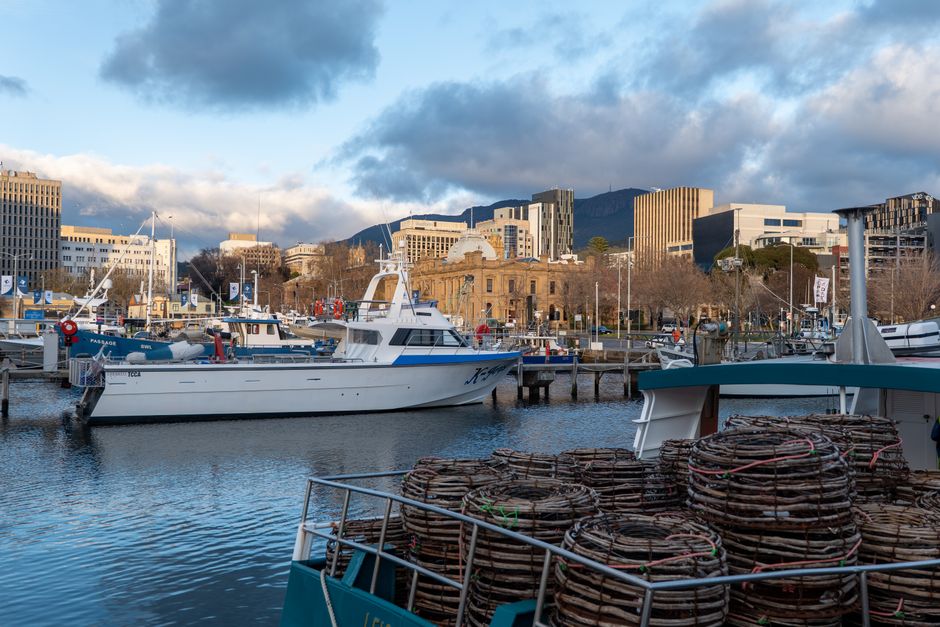
Fish meal is one of the world's most traded agricultural ingredients, yet most Australians have never heard of it. It is the dried, ground remains of small fish caught in industrial quantities from the world's oceans, and it forms the protein backbone of feed for cattle, pigs, and chickens on farms across Australia. When global fish stocks fluctuate or distant fishing fleets face disruption, the ripple reaches Australian livestock farmers within weeks, pushing up the cost of meat production and ultimately the price of your grocery bill.
Fish meal is made by cooking, pressing, and drying whole fish or fish waste. The main sources are small pelagic fish such as anchoveta (also called anchovy), herring, and capelin caught in vast quantities from the Atlantic, Pacific, and Indian Oceans. Peru and Chile lead global production, where the cold Humboldt Current creates some of the world's richest fishing grounds. Other major producers include Norway, Iceland, and increasingly Southeast Asian countries.
The industry has evolved to waste nothing. Processors use both wild-caught fish and trimmings from fish processing plants. A single tonne of fish meal may contain compressed remains from hundreds of kilograms of raw fish, creating a highly concentrated protein product that costs less than raising fishmeal crops on land.
Australian livestock producers use fish meal in compound feeds because it delivers high-quality protein at a predictable cost. A dairy cow or a fattening pig needs protein to grow muscle and produce milk efficiently. Fish meal contains all essential amino acids and is more digestible than many plant-based alternatives. For intensive farming operations, especially in southern states where pasture alone cannot meet animal protein demands year-round, fish meal is economically irreplaceable.
The alternative would be soy meal, another traded commodity, but sourcing it in large volumes to Australian farms creates its own supply chain risks and often comes at comparable or higher cost. Fish meal also has a long shelf life, which suits Australia's distance from major feed mills in Asia.
Fish meal prices swing sharply because the supply depends entirely on wild ocean catches, which are subject to natural variation. El Nino events warm Pacific waters and drive anchoveta deeper, reducing catches off Peru. Overfishing in some regions has thinned stocks. Political conflict or poor management in major producing countries can halt exports. During the COVID-19 pandemic, processing plant shutdowns in Peru briefly constrained global supply, pushing prices up 40 per cent within months.
When fish meal prices rise, Australian feed mills either absorb the cost or pass it to farmers. Farmers then reduce output or trim margins. If costs stay high long enough, they shift animals to cheaper feed mixes, which can slightly lower meat or milk quality. Large producers lock in contracts months ahead to hedge risk, but smaller operators and those buying spot market supplies face immediate exposure.
Australia is not a major fish meal producer because its fishing industry focuses on higher-value whole fish for human consumption rather than industrial meal production. Instead, Australia imports fish meal, mainly from Peru, Chile, and Southeast Asian suppliers. This means Australian farmers are price-takers in a global market they do not shape.
Australia does process some fish waste into meal at smaller scales, but volumes are negligible compared to demand. The country's southern fisheries are strictly managed for sustainability, limiting the volume of byproducts available, and labour and energy costs make industrial-scale meal production uncompetitive against established producers in Peru and Southeast Asia where costs are lower.
Fish meal price volatility touches every Australian household indirectly. A 20 per cent rise in fish meal costs does not increase the retail price of beef or chicken by 20 per cent, because feed is only one input cost, but it does add pressure. Dairy farmers in Victoria and Tasmania, and intensive livestock operators in Queensland and New South Wales are the most exposed. During price spikes, some shift to alternatives or reduce herd size, which can tighten meat and dairy supply and drive inflation in those categories.
Australia's inability to self-supply fish meal is not a crisis, because global markets are deep and reliable. However, it does mean that geopolitical events thousands of kilometres away, weather patterns in the Pacific, or policy changes in Peru directly affect what Australian farmers pay and, by extension, what you pay at the supermarket.
Fish meal is a quiet linchpin of global animal agriculture. Australia's livestock industry depends on it entirely, yet has almost no control over its supply or price. When El Nino disrupts Peruvian anchovy catches or political instability curbs Chilean exports, Australian farmers absorb the shock. That cost eventually flows into the price of milk, chicken, and beef on your table. Understanding where fish meal comes from and how vulnerable supply is to distant disruptions helps explain why Australian food prices sometimes jump without any obvious local cause.
This article was compiled by AI and screened before publishing. See our editorial standards.
Spread the word
More from The World
The Daily Network — local news across Australia