The World
How Global Garment Industry Works: Clothing Costs Explained
Discover why your clothes cost what they do. Learn how 75M workers across 100+ countries shape garment supply chains, wages, and retail prices through fragmented production.
The World
Discover why your clothes cost what they do. Learn how 75M workers across 100+ countries shape garment supply chains, wages, and retail prices through fragmented production.
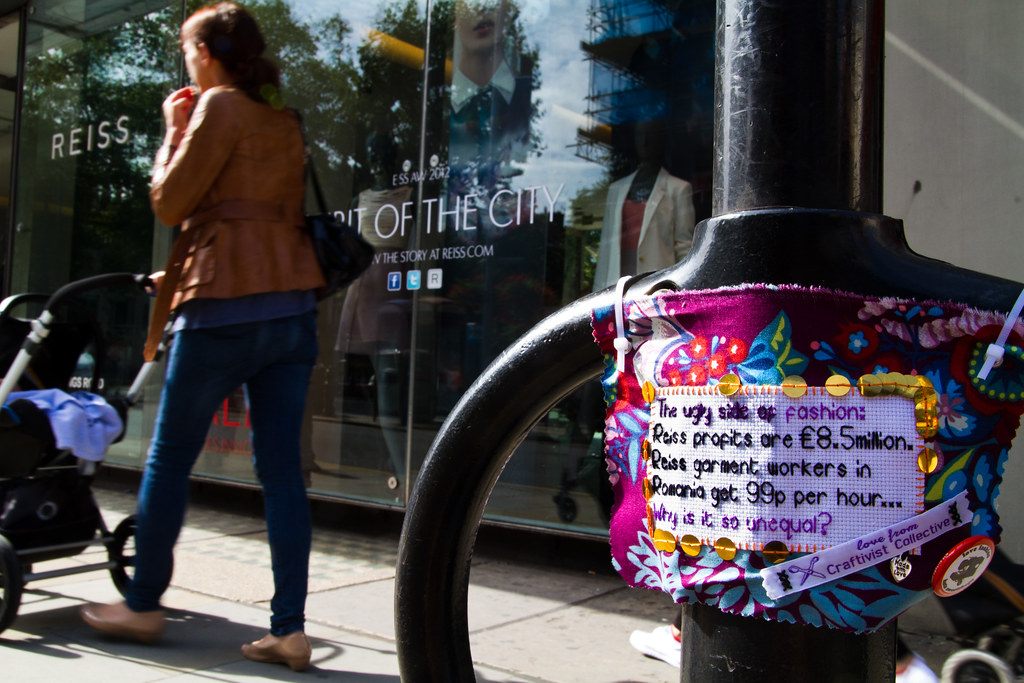
Every piece of clothing you own has travelled thousands of kilometres and passed through the hands of dozens of people before reaching you. Cotton grown in India might be spun into yarn in Vietnam, woven into fabric in Bangladesh, cut and sewn in Cambodia, dyed in Pakistan, and finally shipped to retailers in Europe or North America. The global garment industry involves more than 75 million workers across more than 100 countries and generates roughly 2 trillion dollars in annual revenue. Yet most consumers have no idea how prices are set, why wages differ so dramatically across regions, or why a shirt that costs 5 dollars to make sells for 30 dollars in a store.
No single country controls garment manufacturing the way some nations dominate particular industries. Instead, production is deliberately scattered across continents to exploit cost differences. Bangladesh, Vietnam, and India together account for roughly 40 percent of global garment exports, but they compete for orders with Cambodia, Pakistan, Indonesia, Sri Lanka, Myanmar, and a dozen other nations. Each country has different wage levels, labour regulations, electricity costs, and access to raw materials like cotton, polyester, and dyes. Brands and retailers constantly evaluate which factories offer the lowest total cost, adjusting orders based on shifts in wages, currency values, shipping routes, and tariff regimes.
This fragmentation creates instability. When wages rise in one country, orders shift elsewhere. When a port congests or a shipping route becomes expensive, factories in distant regions suddenly become competitive. When natural disasters disrupt production in one nation, retailers scramble to find spare capacity elsewhere. The system optimises for cost, not resilience, meaning disruptions to any major hub ripple across global supply chains and eventually affect shelf prices in shops everywhere.
A typical garment production chain involves raw material suppliers, textile mills, garment factories, logistics providers, and retailers. The profit is distributed unequally across these stages. A factory worker in South Asia might earn between 3 and 8 dollars per day sewing clothes that sell for 30 to 100 dollars retail. Retailers typically capture 40 to 50 percent of the final price; logistics and distribution account for another 15 to 25 percent; brand marketing and overhead take 10 to 20 percent. The entire cost of labour, materials, and factory overhead often amounts to just 15 to 25 percent of the retail price.
This distribution explains why wage increases in factories have limited impact on consumer prices. A 10 percent rise in garment worker wages might raise production costs by only 1 to 2 percent, yet retailers rarely pass these savings on to consumers in the form of lower prices. Instead, margins widen. Conversely, any disruption to logistics, shipping, or currency values translates more directly to consumer prices because these costs sit higher in the value chain.
The garment industry employs roughly 80 percent women, many in countries with weak labour protections. Wages, working hours, workplace safety, and unionisation rights vary enormously. Some factories operate at world-leading standards; others involve exploitation. Brands and retailers face consumer pressure to ensure ethical production, leading them to audit factories and publish sustainability reports. Yet the auditing system itself is fragmented and sometimes tokenistic. Factories know when inspectors are coming and can stage compliance. Brands may audit their direct suppliers but have less visibility into the mills and suppliers several steps earlier in the chain. Independent monitoring organisations work in some regions but struggle for funding and legal access in others.
Genuine improvements in labour standards require coordination across multiple countries, brands, factories, and worker organisations. When one brand insists on higher wages, factories risk losing orders to competitors who don't. When one country strengthens labour laws, factories can relocate to nations with weaker rules. Reform has therefore been slow and uneven, driven more by consumer activism and occasional corporate pressure than by systemic change.
The garment industry touches everyone. Clothing prices affect household budgets in wealthy nations and survival economics in developing regions. The industry's environmental footprint is massive: cotton production consumes vast quantities of water; textile dyeing ranks among the world's largest polluters; and synthetic fibres are now a major source of ocean microplastics. The industry also shapes migration and urbanisation patterns; hundreds of millions of people have moved to cities in South Asia, Southeast Asia, and Africa because garment factories provided jobs. Disruptions to the industry affect livelihoods across multiple continents simultaneously. When demand falls during recession, factories close and workers lose income in countries with minimal safety nets.
The clothes you wear are products of a genuinely global system optimised for low cost and rapid delivery. Prices reflect supply chain logistics and retail markups far more than labour wages. Reform efforts struggle because the system rewards fragmentation and cost-cutting, and because oversight becomes harder the further you move from the retail store. Understanding these dynamics explains why ethical clothing costs more, why prices fluctuate based on shipping rates and currency values, and why calls for better wages and working conditions have not yet produced industry-wide change despite decades of consumer activism.
Spread the word
More from The World
The Daily Network — local news across Australia