The World
Australia's Nickel Mines Power Global Electric Vehicle Battery Revolution
Nickel is essential for the world's battery revolution, but the market is volatile, concentrated, and increasingly shaped by geopolitics.
The World
Nickel is essential for the world's battery revolution, but the market is volatile, concentrated, and increasingly shaped by geopolitics.
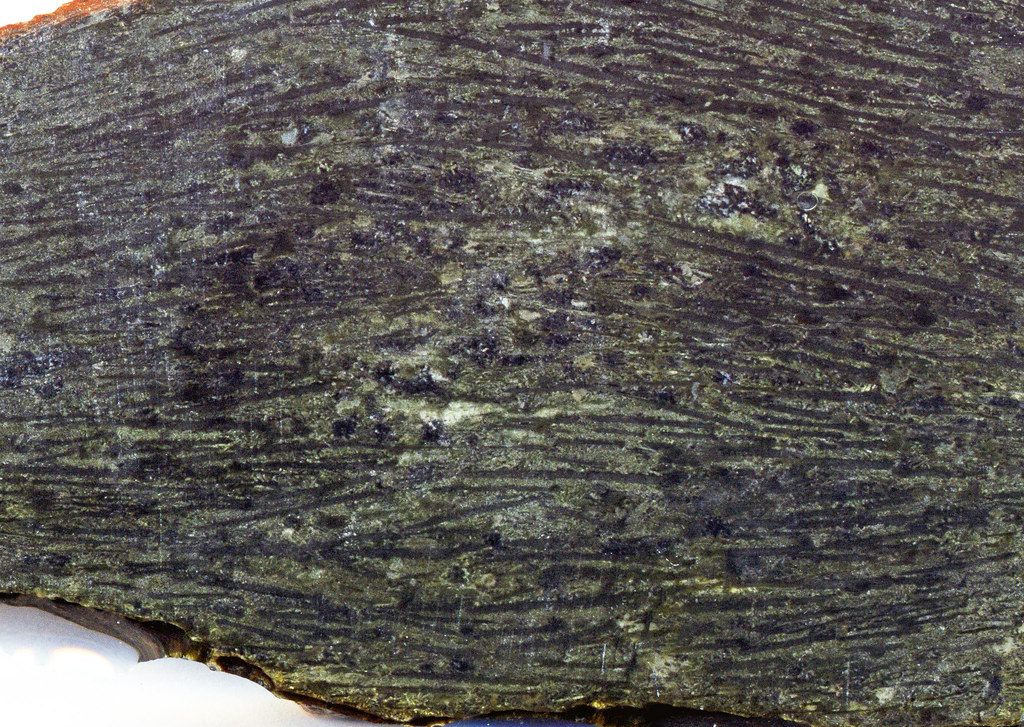
Nickel is invisible in your daily life, but it is quietly reshaping the global economy. The silvery-white metal is crucial to stainless steel, but its real power lies in batteries: nickel is a key ingredient in the lithium-ion cells that power electric vehicles, smartphones and renewable energy storage. As the world pivots toward clean energy, demand for nickel is surging, and Australia's position as a top producer gives it outsized influence over global prices and supply.
For decades, nickel was mostly used to make stainless steel for cutlery, pipes and construction. But the shift to electric vehicles has rewritten the playbook. A typical EV battery contains more nickel than any other metal except lithium. As car makers chase cheaper, longer-range batteries, they are pushing nickel content higher. This trend is expected to accelerate. The International Energy Agency projects that nickel demand for batteries alone could grow tenfold by 2040.
Nickel is also essential for wind turbines, grid-scale battery systems and industrial equipment. Unlike lithium, which is concentrated in a handful of countries, nickel deposits are more geographically spread. But they are not evenly distributed, and extracting nickel is energy-intensive and environmentally complex.
Indonesia and the Philippines are the world's largest nickel producers, together accounting for roughly half of global output. Australia ranks third, but with a crucial advantage: Australian nickel is typically of higher grade and easier to refine into the battery-grade form that manufacturers demand. Russia also produces significant nickel, but geopolitical tensions have disrupted supply predictability.
The market has two main forms of nickel: laterite ore, which is abundant in tropical regions but harder to process, and sulfide ore, which Australia and Canada specialise in refining. Battery makers increasingly prefer nickel from sulfide deposits because it requires less processing and has a smaller environmental footprint. This has made Australian producers valuable to manufacturers racing to build cleaner supply chains.
Nickel prices are volatile. They move based on global EV sales forecasts, production news from Indonesia and the Philippines, refining capacity, and currency swings. In 2022, prices spiked when Indonesia tightened export rules, squeezing the market. When prices rise, investment in new Australian mines accelerates; when they fall, projects are delayed.
A critical bottleneck has emerged: processing. Most of the world's nickel refining happens in China, which has invested heavily in battery-grade refineries. This concentration means that even if Australia extracts the raw ore, it often goes to China for processing before being used elsewhere. This dependency mirrors broader supply-chain vulnerabilities that governments have grown anxious about.
To diversify, some car makers and battery producers are investing in processing capacity in Europe, North America and Southeast Asia. Australia has also expanded domestic refining, but the pace remains modest. The more nimble and early China moves, the deeper its control over the chain.
Nickel is also caught in trade tensions. Export controls, subsidies for favoured producers and battery sourcing rules are all reshaping where nickel flows and how much it costs.
Australia's nickel reserves and mining expertise are a strategic asset. Higher global nickel demand translates directly into stronger prices and investment in Australian projects, boosting employment in regional areas and export revenues. Major mines operate in Western Australia and Queensland, and new projects are in development.
But Australia's advantage is not guaranteed. If Indonesia or the Philippines upgrade their processing capacity, or if recycling of nickel from old batteries scales up, demand for newly mined ore could flatten. Australia must also manage the environmental and regulatory costs of large-scale mining in a way that competitors may not, affecting long-term competitiveness.
For Australian consumers, the global nickel market matters indirectly: it shapes the cost of EV batteries, which influences the cost of electric cars and the pace at which Australia can transition away from petrol vehicles. Cheaper nickel today means cheaper EVs tomorrow, accelerating the shift Australia needs to meet climate goals.
Nickel is the unsung metal of the energy transition. Australia is a top producer and refiner, with growing leverage in a market that is tightening as the world electrifies. Prices will remain volatile, shaped by EV demand, supply shocks from distant mines, refining capacity and geopolitical jostling. For Australia, nickel represents both an economic opportunity and a reminder that global supply chains are fragile and competitive.
This article was compiled by AI and screened before publishing. See our editorial standards.
Spread the word
More from The World
The Daily Network — local news across Australia