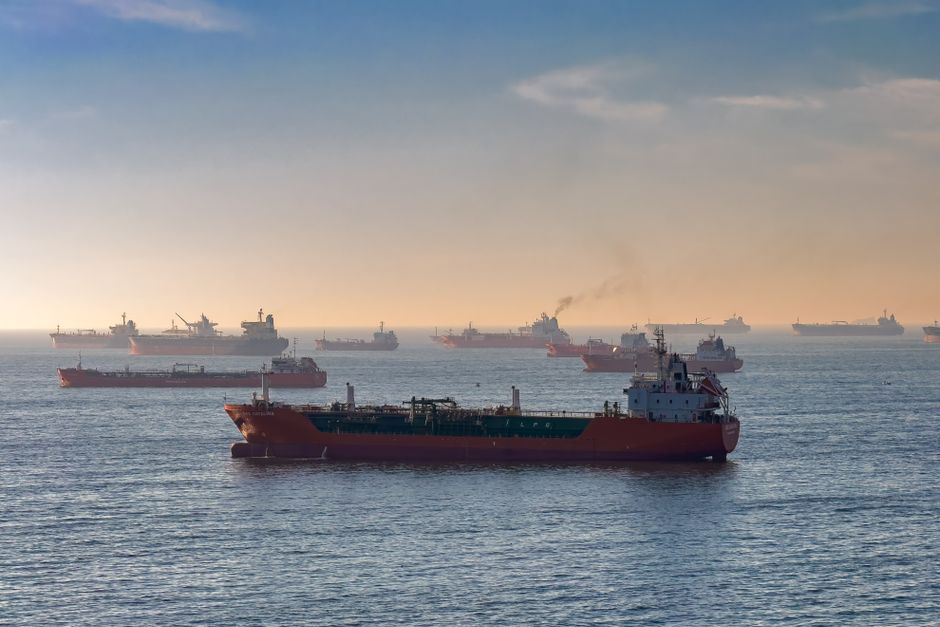
Every litre of fuel in Australian cars and trucks has travelled by ocean tanker. Australia imports roughly 90 per cent of its refined petrol and diesel, meaning global tanker routes, vessel availability and geopolitical friction directly shape the price you pay at the pump. The tanker shipping industry operates on thin margins, long cycles and vulnerability to disruption, which is why a conflict in the Middle East or a typhoon in Asia can add cents to your servo bill within weeks.
How the tanker fleet moves refined fuel
The global tanker fleet consists of roughly 2000 medium and large vessels designed to carry crude oil or refined products. Australia's refined fuel arrives via two main routes. The first runs from Middle Eastern refineries through the Strait of Hormuz, across the Indian Ocean to Singapore, then south to Australian ports in Perth, Melbourne and Sydney. The second originates from refineries in South Korea and Japan, crossing the Pacific or via the same Asian hub. A single large tanker carries around 100,000 tonnes and takes 2 to 4 weeks to complete a voyage from the Middle East to Australia's east coast.
Owners and operators make money by securing contracts with oil majors and fuel distributors, typically locking in rates months ahead. When global fuel demand rises sharply, tanker owners can demand higher fees because vessels become scarce. When demand falls, rates collapse and ships sit idle in port. Australia's exposure is acute because domestic refining capacity has shrunk; the nation now operates just two major refineries, compared with seven in the 1980s.
The role of chokepoints and geopolitical risk
Two strategic passages control tanker flows to Australia. The Strait of Hormuz, between Iran and Oman, handles roughly 21 per cent of all seaborne crude and refined fuel globally. The Strait of Malacca, between Malaysia and Indonesia, processes another 25 per cent. Any closure, attack or incident in either strait forces tankers to take longer, costlier detours, adding weeks to transit time and raising freight rates instantly. Tensions in the Middle East, Houthi attacks on shipping in the Red Sea, or regional naval standoffs can disrupt supply within days. Australia's distance from these regions offers no insulation; tankers are globally fungible, so when one nation competes harder for available vessels, freight rates rise everywhere.
Seasonal demand and spare capacity
The tanker market operates in cycles tied to global refinery output, seasonal heating demand in the Northern Hemisphere, and monsoon seasons that affect Asian port operations. Winter drives demand for fuel oil and distillates in North America and Europe, pulling tankers away from Australian-bound routes. Conversely, Australian summer can see tighter fuel supplies if refineries in Asia undergo maintenance or reduce output. The industry maintains a reserve of ageing vessels, but bringing them into service takes weeks and only happens when rates justify the cost. This thin margin between supply and demand means spot shortages can emerge suddenly, spiking tanker rates and fuel prices for weeks.
What it means for Australia
Australia's fuel import dependence makes it hostage to global shipping dynamics most Australians never see. A conflict disrupting the Strait of Hormuz could send Australian petrol prices up 15 to 25 cents per litre within a fortnight. Conversely, a global recession that cuts demand for fuel allows rates to fall, eventually lowering pump prices. The closure of Australia's remaining refineries has compounded vulnerability; domestic refining capacity could absorb fuel supply shocks by adjusting output, but importing 90 per cent of refined fuel means Australia accepts whatever the global tanker market charges. Policy debates about fuel security, strategic reserves and refinery investment in Australia all hinge on understanding that your fuel price is ultimately set by a shipping market 8000 kilometres away.
The bottom line
Global tanker shipping is invisible until it disrupts. Most Australians assume fuel prices reflect crude oil costs, but half the story is freight. When tankers are scarce or routes threatened, shipping premiums spike and fuel costs rise regardless of oil price movements. Australia's high import ratio and distance from refining hubs make the nation particularly exposed to tanker market volatility, geopolitical friction in Asia and the Middle East, and seasonal surges in Northern Hemisphere demand. Understanding tanker economics helps explain why your servo bill jumps after events that seem to have nothing to do with Australia.
This article was compiled by AI and screened before publishing. See our editorial standards.
Sources Include (But not Limited to)
Source material used in preparing this article is listed below so readers can check the original record.