The World
How the global potash market works, and why Australia's farms depend on distant mines
Potash is a hidden pillar of global agriculture. Australia grows food for 40 million people but relies on a handful of countries to keep soil fertile.
The World
Potash is a hidden pillar of global agriculture. Australia grows food for 40 million people but relies on a handful of countries to keep soil fertile.
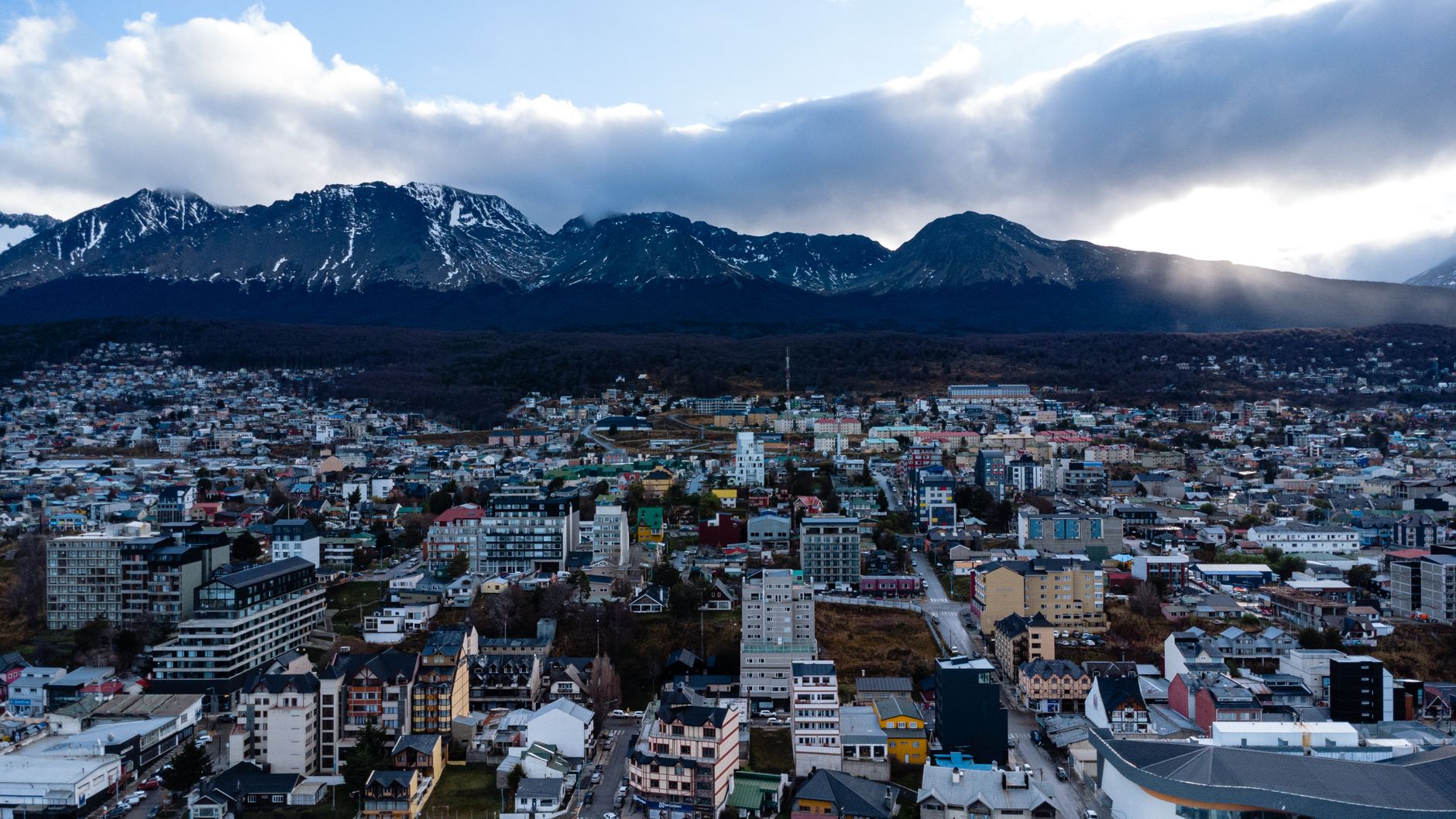
Potash is one of the three nutrients that all crops need to survive. Unlike nitrogen or phosphorus, which Australia can produce domestically, potash is mined from ancient sea deposits and salt lakes found in only a few countries. Canada, Russia, and Belarus control about 70 per cent of global potash supply. When supply tightens or trade routes break, Australian farmers feel it immediately in their fertiliser bills, and that cost eventually reaches grocery shelves across the country.
Potash is potassium chloride or potassium sulfate, extracted from underground salt deposits and brines. Plants use potassium to regulate water uptake, build cell walls, and fight disease. A wheat crop yields nothing without it. Neither does a mango orchard or a grain-fed cattle operation. Potash is one of the three 'macronutrients' alongside nitrogen and phosphorus, grouped together on the NPK fertiliser ratio found on every bag of plant food in Australia.
Global agriculture consumes roughly 35 to 40 million tonnes of potash annually. Demand has grown steadily as developing nations farm more intensively and populations rise. Australia consumes about 400,000 to 500,000 tonnes each year. Most arrives by ship, because mining and refining potash close to where it grows is not economical.
Canada's Saskatchewan province is the world's largest potash producer, supplying roughly 30 per cent of global trade. Russia and Belarus account for another 40 per cent combined. Other suppliers include Germany, Jordan, and Peru, but these account for a much smaller share. Very few countries have the geological conditions that created potash deposits billions of years ago when ancient seabeds evaporated and left mineral salts behind.
Australian importers buy potash on global spot markets or lock in long-term contracts with producers and traders. Prices are set in US dollars and fluctuate with demand, production costs, and shipping rates. When supply shocks occur-a mine closure, a weather event, or trade sanctions-prices ripple across fertiliser markets worldwide within weeks.
Australia has no significant potash reserves and no domestic refining capacity. This makes Australian farmers price-takers in a global market. In 2022, after Russia's invasion of Ukraine disrupted supply and imposed sanctions cut Belarus off from Western buyers, global potash prices tripled. Australian fertiliser costs surged. Farmers deferred application or used potash more sparingly, reducing yields on some crops. Supermarket prices for fresh produce and grain-fed meat reflected the added cost within months.
Because potash cannot be quickly substituted and crops cannot be grown without it, high potash prices have a direct path to household grocery bills. They also affect food affordability at the moment many Australian households are already stretched.
Australia's agricultural export sector depends on cheap, reliable potash imports. One-third of Australia's food is exported, feeding more than 40 million people worldwide. If potash supply remains tight or geopolitical risk keeps prices elevated, Australian farmers face a cost squeeze that reduces their competitiveness against producers in countries with domestic potash access.
Policymakers and industry groups have explored whether small-scale potash production from Australian salt lakes or geothermal brines could ease supply risk, but no domestic operation exists at commercial scale. Instead, Australia relies on stable trade relationships and open global markets to keep potash flowing. Trade tensions or sanctions that disrupt major suppliers carry real risk to Australian food security and rural incomes.
Potash is invisible to most Australian consumers, but it is as essential to agriculture as water. Three countries control most of the world's supply. When that supply falters, Australian farmers and their customers pay the price. Understanding where potash comes from and who controls it is key to understanding why Australian food prices move, and why the nation's agricultural prosperity rests partly on geography it cannot change.
This article was compiled by AI and screened before publishing. See our editorial standards.
Spread the word
More from The World
The Daily Network — local news across Australia