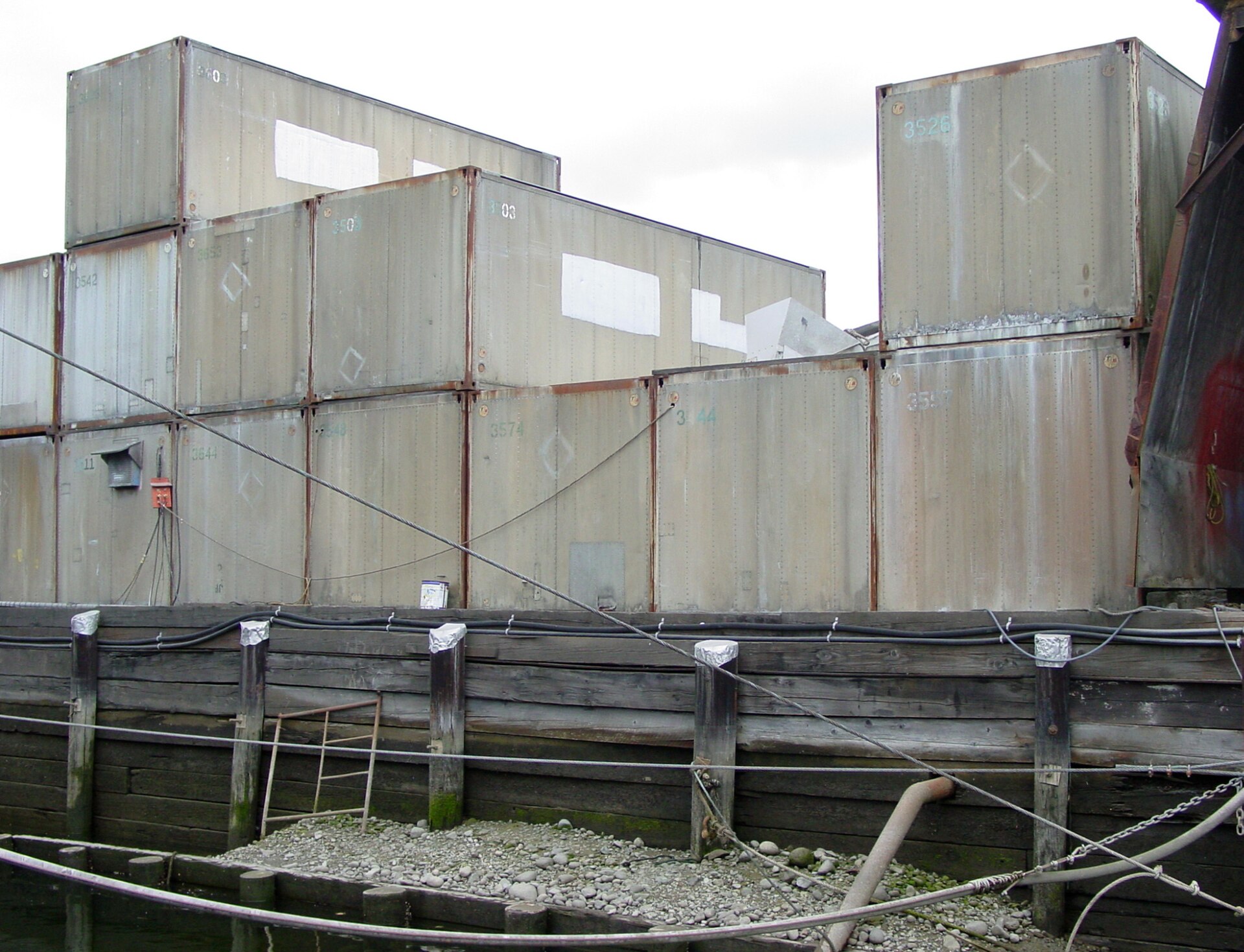
Every day, millions of metal boxes crisscross the oceans carrying everything from shoes to semiconductors. But the global container system depends on something that seems counterintuitive: moving containers that are completely empty. When that flow breaks, supply chains fracture and prices spike in unexpected places. Understanding how containers move reveals why distant trade imbalances reshape what sits on shelves in your neighbourhood.
The mathematics of movement
A shipping container is only valuable when it moves. Shipping lines own or lease vast fleets of these standardised boxes, but they can only turn a profit if containers spend minimal time sitting idle. The trouble is that global trade is wildly imbalanced. Asia exports far more goods to other continents than it imports. A container might leave Shanghai loaded with electronics destined for Los Angeles. But getting that box back to Shanghai empty is expensive. Every day it spends sitting in a California port costs the shipping company money, and those costs ripple outward.
To manage this, shipping lines constantly reposition empty containers to where demand for exports is highest. A container surplus in one region means a shortage elsewhere. When too many empties sit in North America, fewer ships run the return voyage to Asia, and exporters in Asia face a container crunch. Prices for shipping space rise. Factories that wanted to send goods to distant markets delay shipments. Prices for consumers in importing regions creep upward weeks or months later.
When demand inverts, chaos spreads
The container system works when trade flows are relatively stable. But unexpected shifts in global demand shatter this balance. During the pandemic, consumer spending shifted sharply toward goods and away from services. Suddenly, containers destined for ports that normally received small shipments became scarce. A shortage of containers headed to Europe meant Asian exporters in textiles, furniture, and appliances couldn't ship. Prices for these goods doubled or tripled in importing countries. A shortage sounds abstract, but it meant empty shelves in stores and families paying far more for ordinary items.
The imbalance also shifts between seasons. Holiday shopping season sees enormous flows of manufactured goods from Asia to North America and Europe. In January, that reverses, and shipping lines scramble to move empties back to factories in China, Vietnam, and India that are gearing up for the next peak. If seasonal demand is misjudged, ports become congested, and every other exporter globally faces delays and higher freight bills.
Port congestion as a global multiplier
Container imbalances concentrate at major ports. When too many boxes pile up on the wrong side of the world, ports become choked. A single congested hub in Singapore or Los Angeles can stall hundreds of ships waiting to unload. Every delayed ship means delayed cargo, and every delayed container means factories running short of materials or stores running short of stock. These delays spread across supply chains globally because modern manufacturing is deeply interconnected. A car factory in Germany waiting for semiconductors delayed at port in Shanghai means workers laid off, and demand for steel drops, hurting mining regions in other continents.
Why this matters globally
Container imbalances are a hidden force shaping inflation, employment, and living costs across the world. When containers flow efficiently, shipping is cheap, goods are plentiful, and prices stay moderate. When imbalances emerge, even a local shortage of containers thousands of miles away triggers shortages and price spikes in your neighbourhood. Developing nations that depend on imports feel these shocks hardest, because higher freight costs take up a larger share of the final price of goods. A spike in container costs that barely registers in wealthy economies can price essential items out of reach for poorer consumers elsewhere.
Shipping lines and port operators watch container repositioning data obsessively because these metrics predict future price movements faster than traditional economic indicators. When imbalances start, the effects are already locked in weeks before they show up in supermarket prices.
The bottom line
The global container system moves goods but survives on moving empties. When that invisible flow breaks, scarcity spreads everywhere. Understanding containers means understanding why inflation isn't always about central bank policy or local demand, but about whether a metal box can reach the right port at the right time. In a connected world, a shortage on one continent quickly becomes a shortage on another.
Sources:
Source material used in preparing this article is listed below so readers can check the original record.