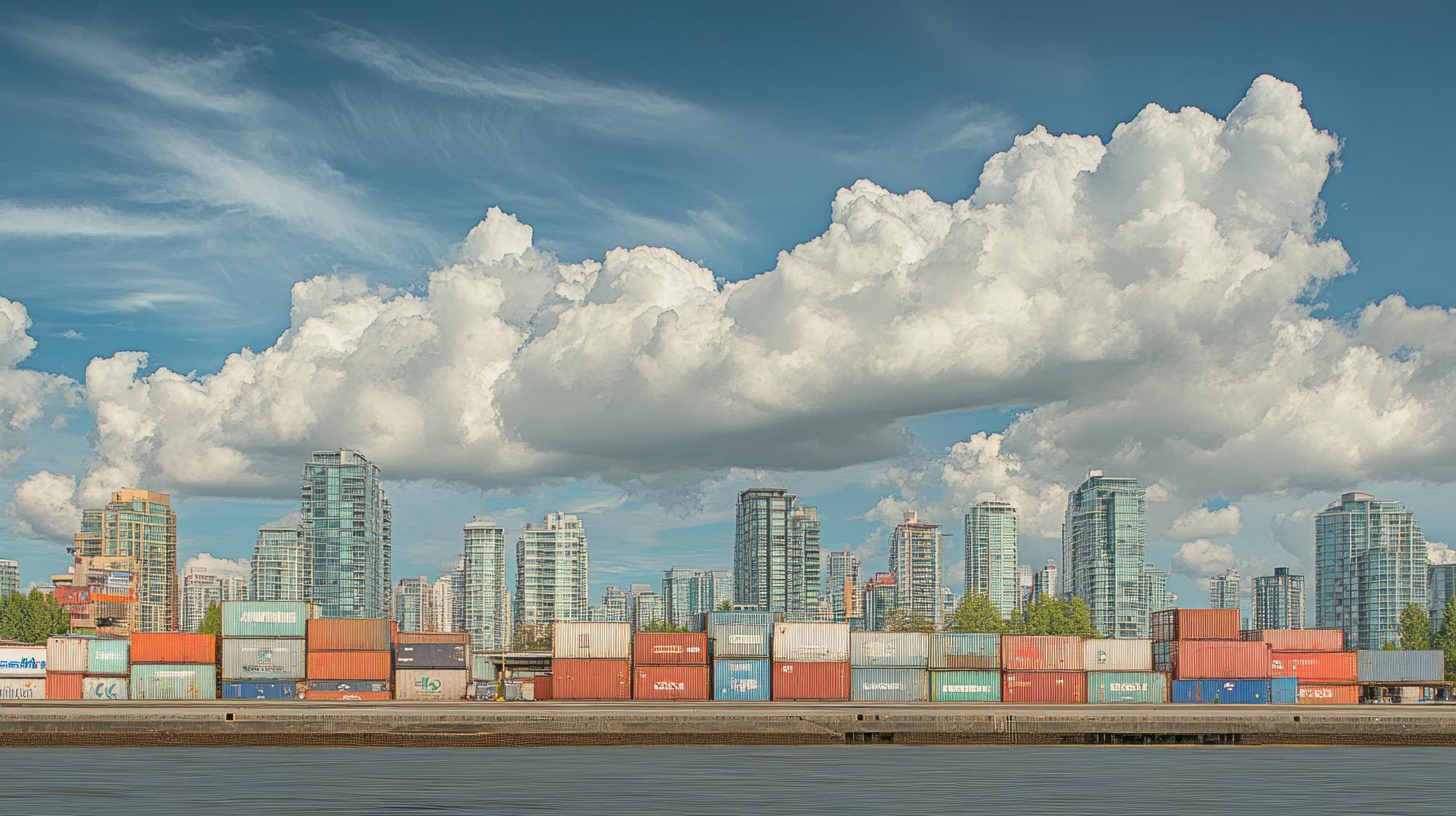
Every day, about 200,000 shipping containers cross the world's oceans. Inside them: clothing, electronics, machinery, food, and almost everything else Australians buy. The global container system is the circulatory system of international trade. When it flows freely, prices fall and shelves stay full. When it clogs, your grocery bill and delivery times rise. Australia depends on this system more than most countries, and our ports are increasingly struggling to keep up.
How the container system works
A shipping container is a standardised metal box, usually 20 or 40 feet long, that can be loaded onto a ship, truck, or rail wagon without being unpacked. This standardisation, established in the 1950s, was revolutionary. Before containers, cargo had to be manually loaded and unloaded at ports. A ship might spend weeks in harbour. Containers changed that. Today, a modern container ship can load and unload in days.
The global container fleet moves goods on predictable, repeating routes. A container might leave a factory in China loaded with electronics, reach Australia in two weeks, be unloaded and reloaded with wool or minerals, and head back across the Pacific. Shipping lines own thousands of containers and position them strategically around the world, chasing cargo flows. When demand shifts or ports slow down, containers pile up in the wrong places, and shippers pay premium prices to reposition empty boxes.
Why Australia's ports are becoming a bottleneck
Australian ports, particularly those in Melbourne, Sydney, and Brisbane, handle enormous container volumes but were built for an earlier era. As ships have grown larger and container volumes have surged, infrastructure has not kept pace. Port workers, equipment like cranes, and berth space have all become constraints. Congestion at Australian terminals means ships wait at anchor, containers sit on wharves longer, and shipping costs rise. These costs flow directly into what you pay for imports.
Labour shortages and aging infrastructure compound the problem. When a ship arrives and cannot be unloaded quickly, shipping lines charge demurrage fees, and those costs are passed to importers and ultimately consumers. During peak periods, delays can stretch from days to weeks, disrupting supply chains for retailers and manufacturers across the country.
The ripple effect on your cost of living
Shipping typically accounts for 5 to 15 per cent of the cost of containerised goods. When ports are efficient, that cost is low and stable. When ports congest, shippers either wait and absorb costs, or pay premium rates for expedited handling. Either way, prices rise. A container delayed at Port of Melbourne might force a retailer to rush-ship replacement stock by air, multiplying transport costs. Food items with short shelf lives, such as fresh produce or dairy products, face particular pressure because time delays reduce sell-by windows.
The container system also shapes employment and regional development. Import-dependent businesses cluster near major ports. When those ports slow, they constrain economic activity not just in the port city but across the supply chains that depend on them.
What it means for Australia
Australia is geographically isolated and import-reliant. We import more than half of our manufactured goods, and almost all of our tech and automotive components arrive by container. We are also a major exporter of agricultural products, minerals, and energy, much of which moves in containers. Any inefficiency in our ports costs exporters competitiveness and importers money.
The Australian government and port authorities have acknowledged these constraints. Port upgrades are planned in major cities, and debates over labour productivity and automation continue. However, Australia's ports will remain critical chokepoints for decades. Climate risks, including extreme weather and rising seas, add another layer of uncertainty to ageing infrastructure.
The bottom line
The global container system is one of the least visible but most vital structures in modern life. It works best when it is boring: predictable, efficient, and unnoticed. Australia's role in that system is disproportionately large. As demand for containerised goods continues to grow globally and ships continue to increase in size, the pressure on Australian ports will intensify. Investment in port infrastructure and labour is not optional; it is foundational to keeping Australian prices competitive and supply chains stable.
This article was compiled by AI and screened before publishing. See our editorial standards.