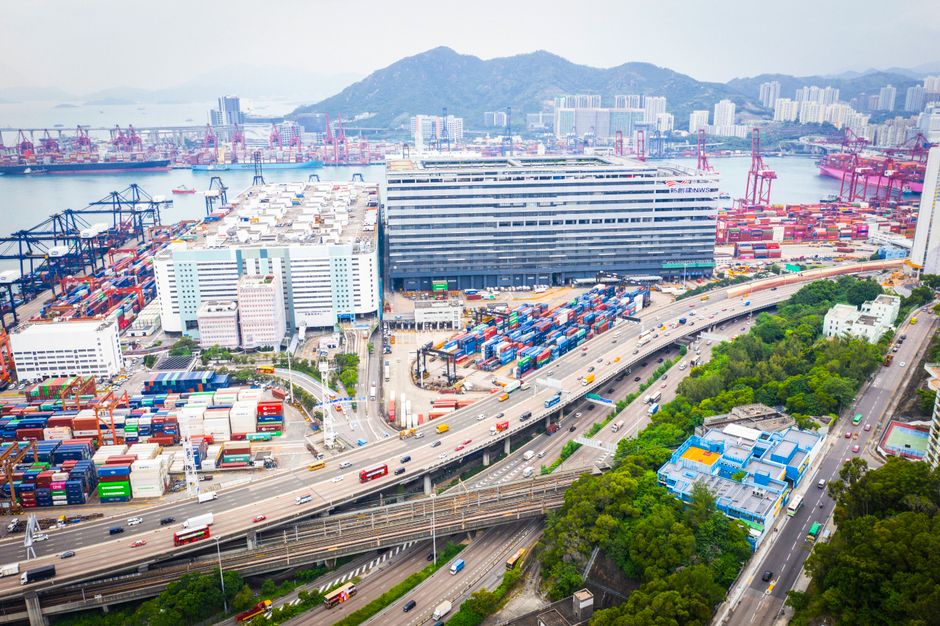
Every container ship leaving a port in Melbourne or Brisbane carries two cargoes. One is the goods bound for overseas. The other is risk, insured by a market that prices danger across thousands of kilometres of ocean. That market, largely invisible to Australian consumers, decides how much extra Australians pay for imports and how much exporters lose when shipping costs spike. It is one of the oldest and most consequential forms of global betting.
What maritime insurance actually covers
A general cargo ship travelling from Sydney to Shanghai faces storms, mechanical failure, piracy, port strikes and collisions. The owners and cargo holders cannot absorb these losses alone. Insurance brokers compile data on thousands of routes, vessel types, cargo categories and historical loss patterns. They set premiums that reflect the probability and scale of disaster. A container of wine from Adelaide heading to London through the Suez Canal pays a higher rate than one destined for nearby Auckland. A bulk carrier full of iron ore navigating the South China Sea during cyclone season pays more than one crossing the Indian Ocean in calm months.
Why Australia's geography makes shipping more expensive
Australia sits at the edge of major global trade routes. Ships heading to European or North American markets must traverse longer distances and pass through waters with distinct risk profiles. The waters around Australia and the Indo-Pacific are prone to cyclones, particularly from November to April. The Strait of Malacca, through which much of Australia's north-bound trade flows, has historically been a chokepoint for piracy. The cost of insuring vessels in these zones reflects decades of claims data. A shipment from Perth to Rotterdam will carry a higher insurance cost than an equivalent journey from Singapore, simply because the route is longer and riskier by historical measure.
Political instability in distant regions also affects rates. When conflict erupts in the Middle East or Red Sea, insurers reassess risk across any route that might be rerouted through affected waters. Decisions made in boardrooms thousands of kilometres away flow directly into Australian shipping costs, even if no Australian vessel ever enters the conflict zone.
How the insurance market sets prices across the world
Maritime insurance operates through a network of underwriters, brokers and risk assessors concentrated in London, Singapore and New York. They compile loss histories, monitor geopolitical risk and adjust premiums in real time. A single catastrophic loss, such as a major vessel sinking or a large piracy incident, can shift premiums across entire regions for months. Claims from a cyclone season in the Indian Ocean will ripple through premiums for Australian exporters months later, as insurers rebuild reserves.
The market also prices uncertainty. When geopolitical tensions rise, even if no actual attack occurs, premiums spike as a precaution. During periods of heightened piracy or conflict, Australia's shipping costs can rise by 20 to 40 per cent above baseline rates, even though the vast majority of Australian vessels never encounter direct threat.
What it means for Australia
Australians do not see maritime insurance as a line item. It is hidden inside the price of imports and reflected in the competitiveness of exports. Higher insurance costs make imported electronics, textiles and machinery more expensive in Australian shops. They make Australian agricultural exports, minerals and manufactured goods less competitive in distant markets. A farmer in Western Australia exporting grain to the Middle East faces different insurance arithmetic than a farmer in Argentina shipping the same product to the same market, solely because of geography and historical risk patterns. Over a year, the cumulative effect of these premiums across millions of shipments represents billions of dollars embedded invisibly in Australia's cost of living and export earnings.
Insurance costs also influence shipping routes and port choices. If premiums spike on a particular route, shipping companies may divert vessels to alternative paths, delaying arrivals and raising costs further. Australian ports, particularly those serving the north and west, have felt these effects acutely during cyclone seasons and periods of regional instability.
The bottom line
Global maritime insurance is a vast, complex market that prices risk across oceans and continents. Australia, as a remote trading nation, sits at a structural disadvantage. The longer distances, seasonal weather patterns and distant geopolitical risks that surround Australian waters mean that shipping anything in or out carries a built-in premium. Understanding this market reveals that Australia's isolation, while offering natural advantages, also carries a persistent, hidden cost. That cost flows into Australian grocery bills, export competitiveness and the bottom line of every business that relies on sea trade. It is a reminder that the world's most crucial economic systems often operate far from public view.
This article was compiled by AI and screened before publishing. See our editorial standards.