Tin is invisible but everywhere. It flows through your mobile phone, coats the inside of food cans, and holds together the circuits in every computer. Globally, about 350,000 tonnes of tin are mined and refined each year. Australia produces roughly 8 per cent of the world's tin ore, making it the third-largest miner after Indonesia and Peru. Yet Australia smelts virtually none of it. Nearly every tonne leaves the country as raw ore, shipped thousands of kilometres to be processed elsewhere. This gap between mining and refining reveals how modern supply chains actually work, and what it costs Australia to sit on one end.
Why tin matters in the modern economy
Tin has two main uses. The first is solder, the material that bonds electronic components together. Every smartphone, laptop, and circuit board relies on tin-based solder joints. The second is tin plate, used to line steel cans that keep food fresh. A smaller share goes into chemicals, coatings, and alloys. Demand is growing because electric vehicles, renewable energy systems, and 5G infrastructure all need more solder joints than older technologies. The International Tin Association estimates demand will rise steadily through the 2030s.
Where tin is mined and where it is smelted
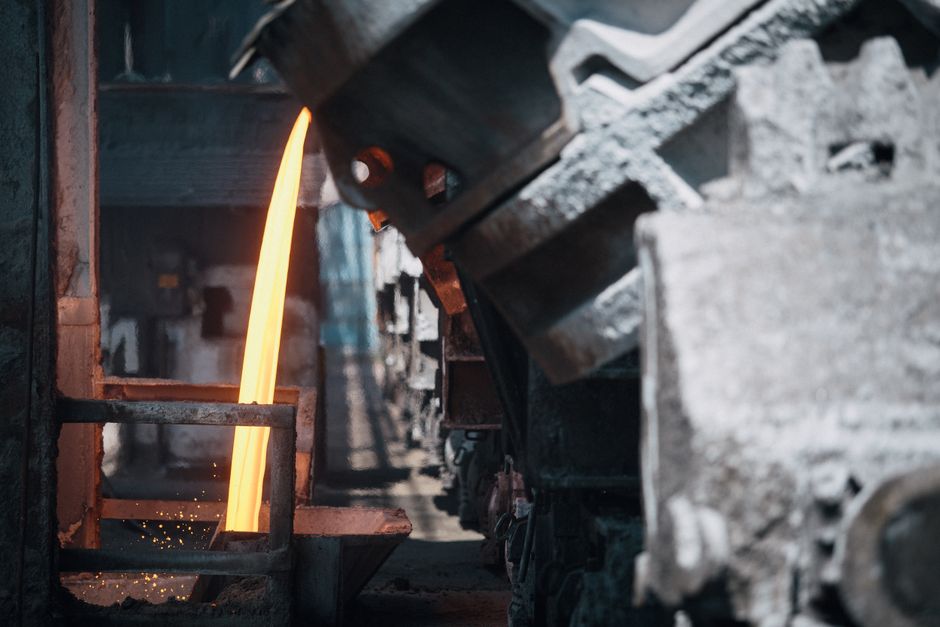
Indonesia dominates global tin mining, producing roughly 25 per cent of the world's ore. Malaysia, Thailand, and Peru follow. Australia's share comes mainly from hard-rock mines in Western Australia and Tasmania. The ore is low-grade, containing between 0.5 and 2 per cent tin. Once extracted, most Australian tin ore is shipped to processing hubs in Malaysia, Indonesia, and China, where it is smelted and refined into pure tin metal. Malaysia and Indonesia together account for roughly 35 per cent of global smelting capacity. China smelts about 30 per cent. Australia smelts almost none. The last major tin smelter in Australia closed in the 1990s. Today, a handful of small refineries handle recycled tin, but no primary smelter operates at scale.
The economics of the gap
The reason is straightforward: smelting tin is expensive and energy-intensive. It requires high-temperature reduction, specialist infrastructure, and skilled labour. The cost advantage shifts to countries with cheaper electricity and established industrial clusters. Malaysia and Indonesia have both in abundance, plus decades of accumulated expertise. Australia's electricity costs are higher, and rebuilding smelting capacity from scratch would require years and hundreds of millions in capital. That means Australian tin miners sell ore to foreign smelters, who then sell refined tin to electronics makers. Australia captures value only at the extraction stage. The smelter and refiner capture the larger margin. This pattern repeats across Australia's resource sector: iron ore, bauxite, and copper all leave as raw material, creating dependency on foreign processing. When global smelting prices spike or supply chains disrupt, Australian miners have no domestic outlet. When refined tin prices rise, Australian miners do not benefit.
What happens when tin supply tightens
Tin is less abundant than copper or nickel, and reserves are concentrated in a handful of countries. When Indonesian or Malaysian smelters face production outages or export restrictions, global tin prices can spike sharply. Electronics makers struggle to source material. Solder prices rise, raising costs for manufacturers worldwide. Australia's role as a large ore producer matters little in these moments; only smelting capacity can ease the crunch. This dynamic has caught the attention of governments and electronics makers, who worry about tin supply security in an era of tighter geopolitical competition. Some countries have begun exploring whether to reshore smelting capacity for critical minerals. Australia, with large tin reserves and low-cost ore, could theoretically do the same. But the economics remain unfavourable without subsidies, cheaper power, or government coordination.
What it means for Australia
Australia's tin mining industry is resilient and will likely grow as demand for electronics rises. But the country forgoes tens of millions of dollars annually by not smelting. Jobs in processing, engineering, and advanced manufacturing go elsewhere. The capital and expertise that builds smelters and trains smelting workers flows to Indonesia and Malaysia instead. Over decades, this compounds. More broadly, Australia's heavy reliance on exporting raw materials makes the economy vulnerable to price swings, supply chain disruption, and changing demand. Countries that control smelting and refining have more leverage, better margins, and stronger bargaining power with end users. For Australia to move up the value chain in tin or any mineral, smelting and refining capacity matters as much as mines do.
The bottom line
Tin illustrates a pattern: Australia is excellent at extracting raw material but has hollowed out much of its downstream processing. The ore is valuable, but the refining margin is larger. Without domestic smelting, Australia remains a supplier of commodity inputs rather than a maker of refined products. That works when prices are high and supply chains are stable. It fails when the world tightens, bottlenecks form, or competitors move upstream. Understanding tin reveals why many economists argue Australia's long-term prosperity depends not only on what it digs up, but on what it does with it afterward.
This article was compiled by AI and screened before publishing. See our editorial standards.
Sources Include (But not Limited to)
Source material used in preparing this article is listed below so readers can check the original record.