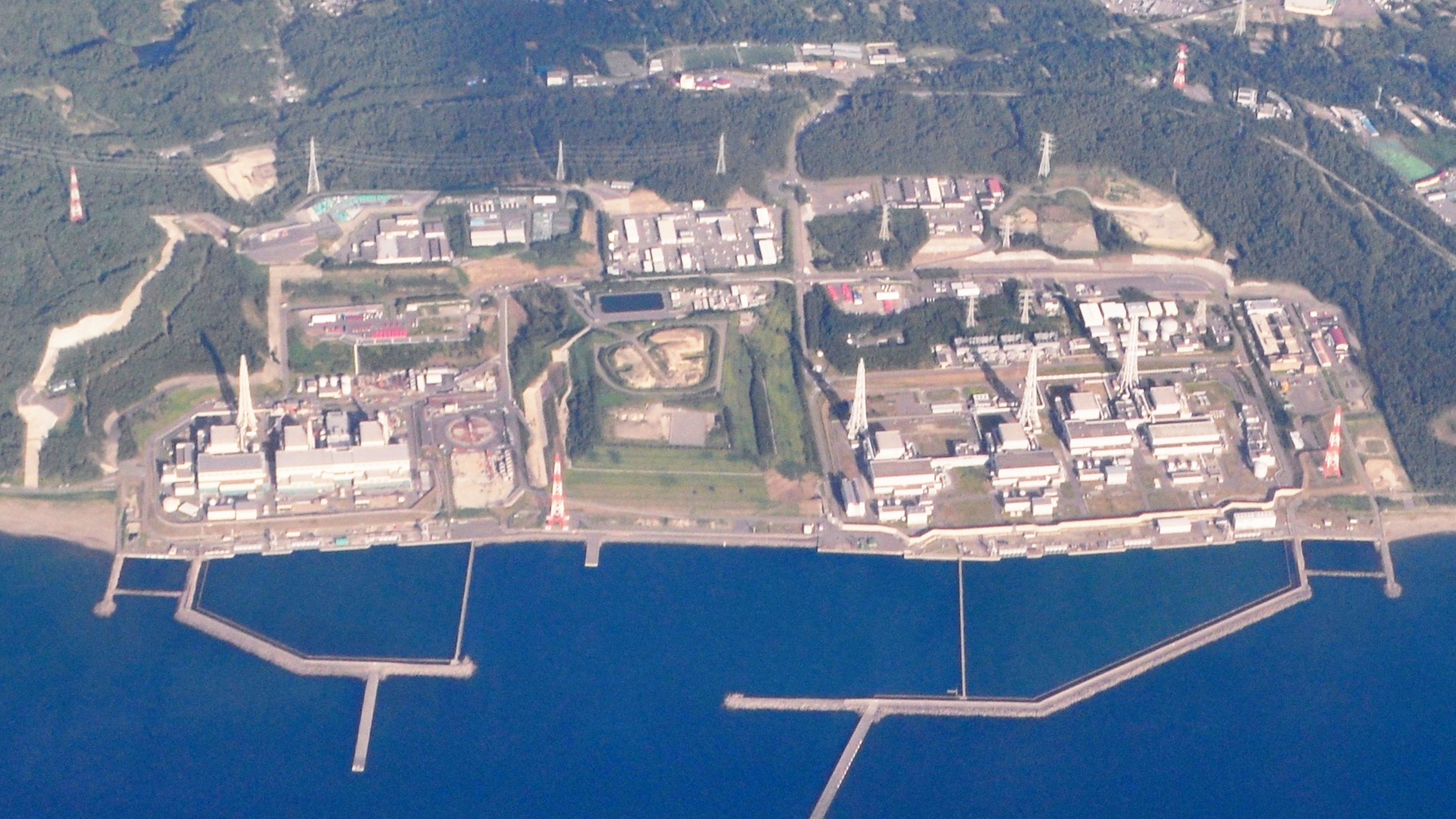
A nuclear power plant generates electricity by using heat from controlled nuclear fission to produce steam, which drives turbines. The fuel is typically enriched uranium. The process releases no carbon dioxide during generation, which has drawn renewed attention as countries search for ways to reduce emissions while maintaining reliable electricity supplies. Yet nuclear power sits at the intersection of energy, weapons proliferation, and public fear in ways that no other electricity source does.
Who relies on nuclear power
France generates the majority of its electricity from nuclear plants, a deliberate policy choice made after the oil price shocks of the 1970s. The United States operates the largest fleet of reactors by number. China has been building new capacity faster than any other country. Japan, which once derived a substantial share of its electricity from nuclear, significantly reduced its reliance after the 2011 Fukushima accident, though some plants have since restarted.
A number of smaller nations also operate reactors. The International Atomic Energy Agency (IAEA), based in Vienna, serves as the global watchdog for both civilian nuclear programs and weapons non-proliferation.
Why countries choose nuclear
The core argument for nuclear power is that it provides large, reliable baseload electricity with very low greenhouse gas emissions over its full lifecycle. Unlike wind or solar, it generates power continuously regardless of weather. A single plant can power a large city. For countries with limited renewable resources or dense urban populations, it offers an energy-dense, low-emission option that is difficult to replicate.
The argument against centres on three issues: cost, waste, and risk. New nuclear plants have tended to run significantly over budget and behind schedule in Western countries. Spent nuclear fuel remains radioactive for very long periods and must be safely stored. And while serious accidents are rare, when they occur the consequences are severe and long-lasting.
Small modular reactors and the next generation
Interest has grown in small modular reactors (SMRs), which are designed to be built in factories and assembled on site, potentially reducing construction costs and timelines. Several designs are in advanced development, and some governments have committed funding to bring them to commercial scale. Whether SMRs can deliver on the promise of cheaper, faster nuclear construction remains to be demonstrated at scale.
What it means for Australia
Australia has no nuclear power plants and, as of the mid-2020s, a legislative prohibition on building them. The country does, however, hold some of the world's largest uranium reserves and is a significant uranium exporter. Australian uranium fuels reactors in countries including the United States, South Korea, and members of the European Union. The AUKUS agreement separately involves nuclear-powered submarines, not nuclear weapons, which has prompted debate about Australia's relationship with nuclear technology. Any domestic debate about nuclear electricity generation involves questions of cost, timeline, waste storage, and the country's existing renewable energy trajectory.
The bottom line
Nuclear power produces reliable, low-emission electricity but carries high construction costs and long-term waste challenges. Australia's position as a uranium exporter means it is already embedded in the global nuclear supply chain, even without domestic power reactors.