The World
Water Scarcity Reshaping Global Power Dynamics
Explore how freshwater stress is intensifying geopolitical tensions, threatening food security, and affecting 2 billion people worldwide across shared river basins.
The World
Explore how freshwater stress is intensifying geopolitical tensions, threatening food security, and affecting 2 billion people worldwide across shared river basins.
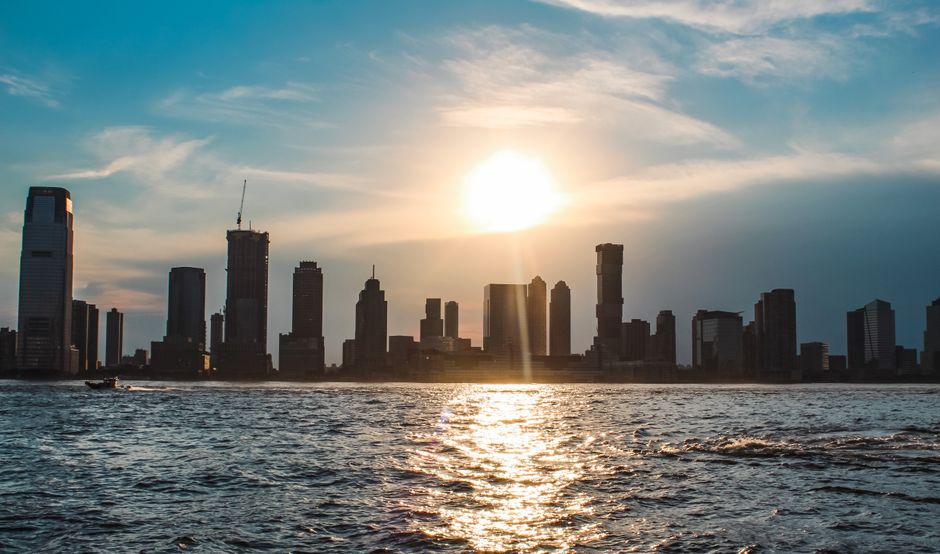
Water covers 71% of Earth's surface, yet less than 3% is freshwater, and most of that is locked in ice caps and glaciers. The water humanity can actually use-in rivers, aquifers, and lakes-is finite, unequally distributed, and increasingly strained. As populations grow, economies develop, and climate patterns shift, competition for freshwater is intensifying in ways that touch every continent and threaten to reshape geopolitics, food security, and economic stability.
Today, roughly 2 billion people live in countries experiencing high water stress. By mid-century, that figure could double. The problem compounds because freshwater systems rarely respect borders. About 40% of the global population lives in river basins shared by two or more nations. The Nile, which supplies Egypt and Sudan, originates in Ethiopia. The Mekong supports agriculture across Southeast Asia. The Danube flows through ten countries. When one nation upstream develops dams or diverts flow, downstream communities lose access. Aquifers that supply drinking water and irrigation to dozens of nations are being drained faster than they replenish. The Indus, which feeds agriculture supporting hundreds of millions in South Asia, is increasingly seasonal. Arctic thaw creates new competition for newly accessible water resources even as it disrupts existing supply chains.
Water stress hits hardest where humans depend on it most: food production. Agriculture accounts for roughly 70% of global freshwater withdrawals. In water-scarce regions, farms are abandoning traditional crops or shutting down. Morocco, Mexico, and Iran have seen rural communities deplete groundwater reserves so rapidly that wells run dry. Some agricultural zones are shifting to less water-intensive crops or abandoning cultivation altogether. Meanwhile, water-poor nations increasingly import food rather than grow it domestically, which invisibly exports water demand to other countries. When India exports rice or Pakistan exports cotton, they are exporting the water embedded in those products. This 'virtual water trade' means that water-stressed nations depend on distant suppliers, introducing new vulnerabilities into food systems.
As freshwater becomes scarcer, tensions between nations intensify. Dams built upstream of shared rivers create leverage for some nations and hardship for others. India's dam construction on the Brahmaputra worries Bangladesh. Egypt's concerns about Ethiopian dam projects on the Blue Nile reflect existential anxiety about flow. Central Asian nations dispute allocation from the Aral Sea basin. These disputes rarely lead to outright conflict, but they corrode cooperation, complicate trade negotiations, and create resentment that persists across generations. Within countries, water scarcity also deepens inequality: wealthier regions and households can afford desalination or long-distance piping, while poorer communities face rationing or contamination.
Desalination, recycled wastewater systems, precision irrigation, and water-efficient manufacturing are expanding options, but all require capital, energy, and expertise. Wealthy nations can afford these solutions; developing economies often cannot. Draught-resistant crops, water harvesting, and improved irrigation efficiency offer promise, but implementation is slow and uneven. Some regions are beginning to treat water as a shared resource requiring international governance, negotiating water-sharing treaties and building joint infrastructure. Transboundary water commissions exist on several major rivers, but enforcement remains weak.
Water scarcity is not a distant threat. It affects urban water supply in megacities from Cape Town to Chennai. It drives migration and shapes refugee flows. It complicates industrial production for multinational companies. It destabilises food prices that affect consumers worldwide. It raises questions about who has the right to freshwater and how much nations owe downstream neighbours. As climate change alters precipitation patterns further, the problem will intensify unevenly: some regions will experience flooding while others face prolonged drought. The world's poorest populations, who contributed least to water-intensive consumption, face the greatest risk.
Freshwater is not infinite, and demand is accelerating. Neither technology nor trade can fully substitute for water security. Nations that recognise this early and invest in efficiency, cooperation, and equitable allocation will be better positioned to thrive. Those that treat water as an unlimited commodity or a source of unilateral advantage risk instability. For a world of nearly 8 billion people heading toward 10 billion, the question of who gets water and on what terms will define prosperity and stability for generations to come.
This article was compiled by AI and screened before publishing. See our editorial standards.
Spread the word
More from The World
The Daily Network — local news across Australia